Showing posts with label Hanoi. Show all posts

Hanoi: exquisite artistic atmosphere

Immersive storytelling

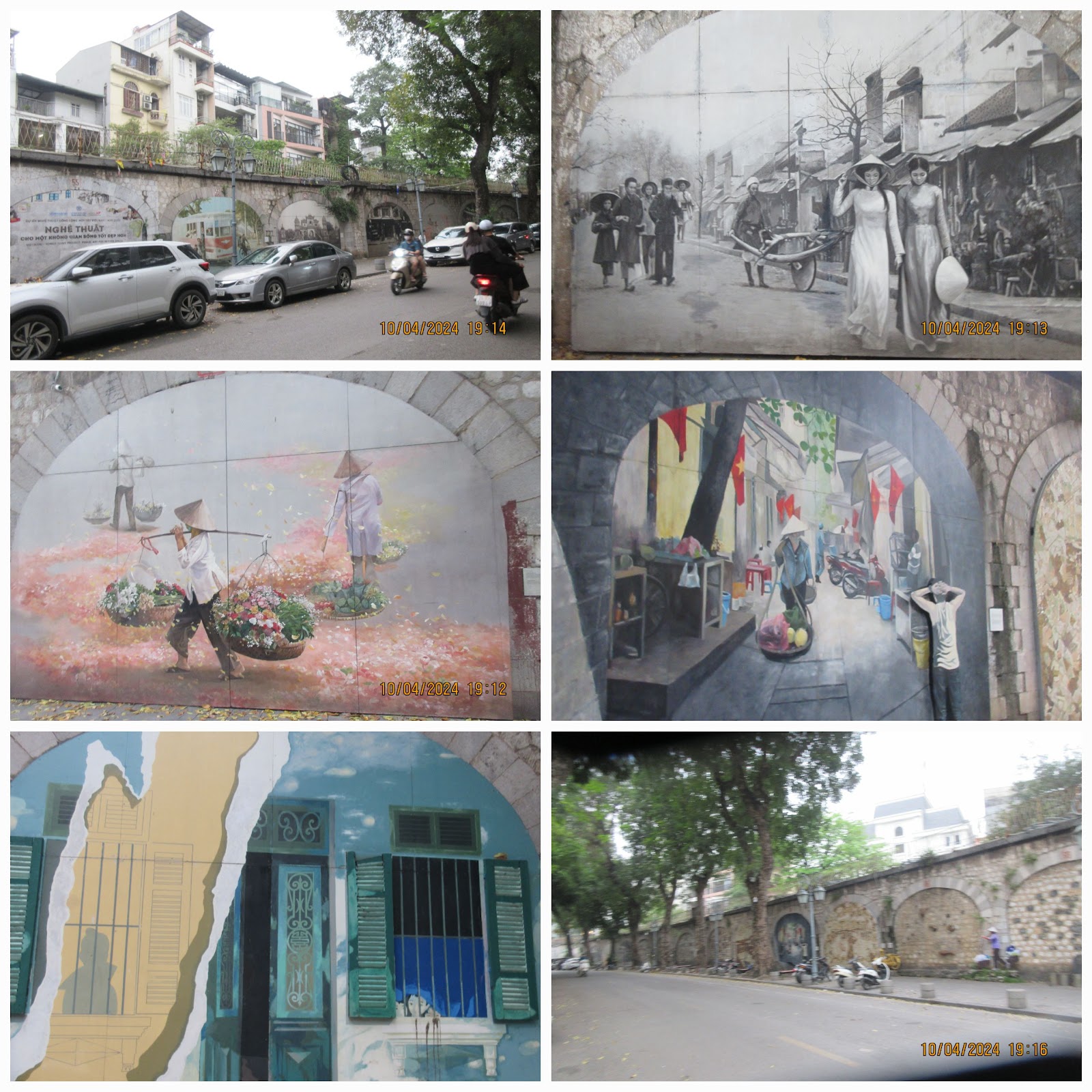
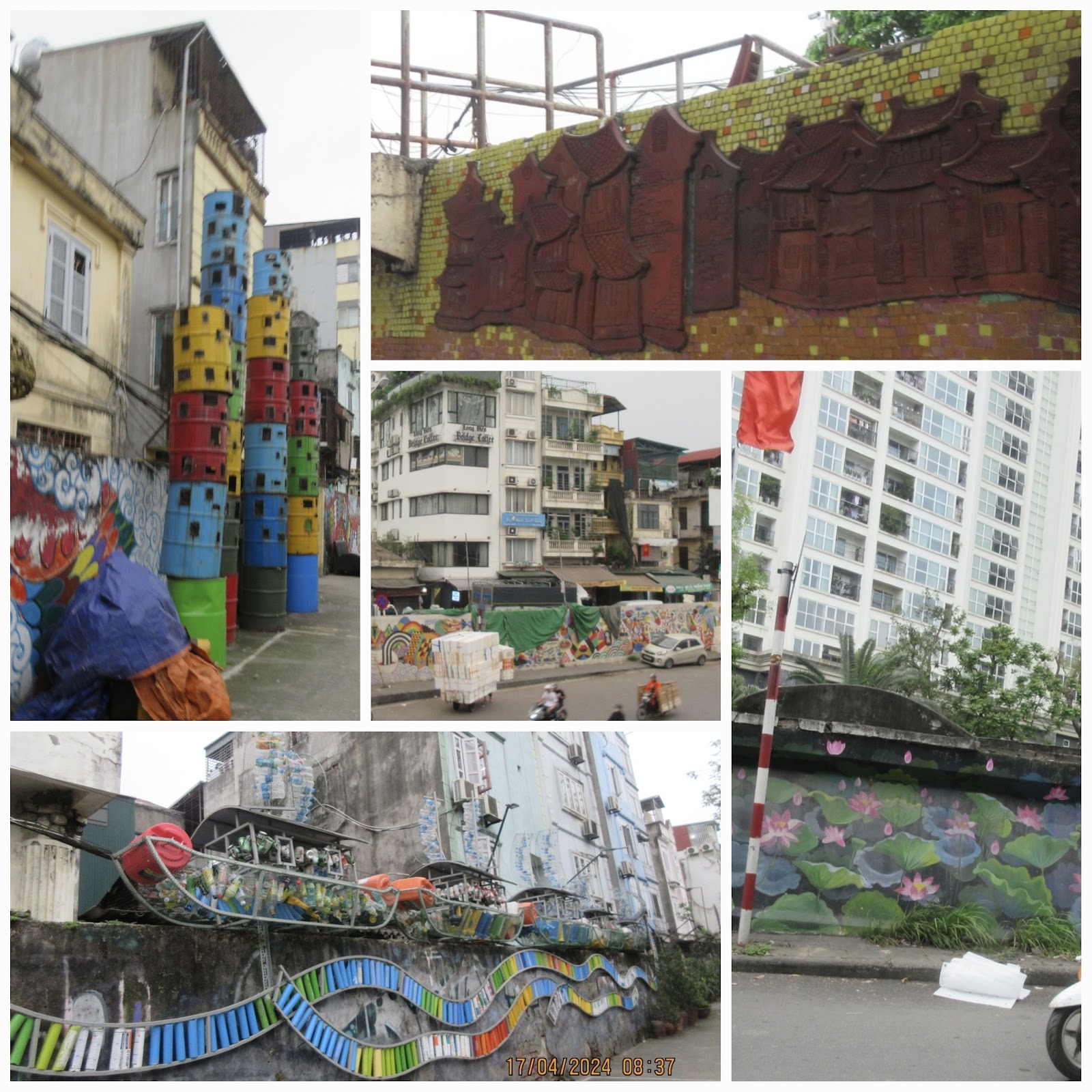
Just a day after our arrival, after having visited the touristy Ngoc Son Temple on  Hoan Kiem lake, I notice that we seemed to be close to Mural Street. A street dedicated to murals definitely needs exploration. Could it be something like in Sao Paulo? Drink isn't interested. Consulting Google maps, while still connected to the local wifi, I work out the route, commiting names and directions to memory. With very slight confusion, only because I wasn't quite familiar with the area, I almost walk past the first few murals simply because I don't know where to look. It takes me a while to realize the paintings are so realistic that they blend seamlessly into the life around them . A closer look reveals the wood canvas on which artists depicted scenes from history, local folklore,and daily life. Everyday aspects stand out in vibrant colours and in three-D for they also include structural elements that pop out. It's as though the artists have woven a tapestry showcasing the cultural heritage of the historic city. 

While strolling back ‘home’ I noticed locals playing traditional board games. The storytelling theme becomes as vivid as it can because anyone can join the locals and learn to play these games immersing themselves into the culture. 
Missing the obvious: a daunting venture

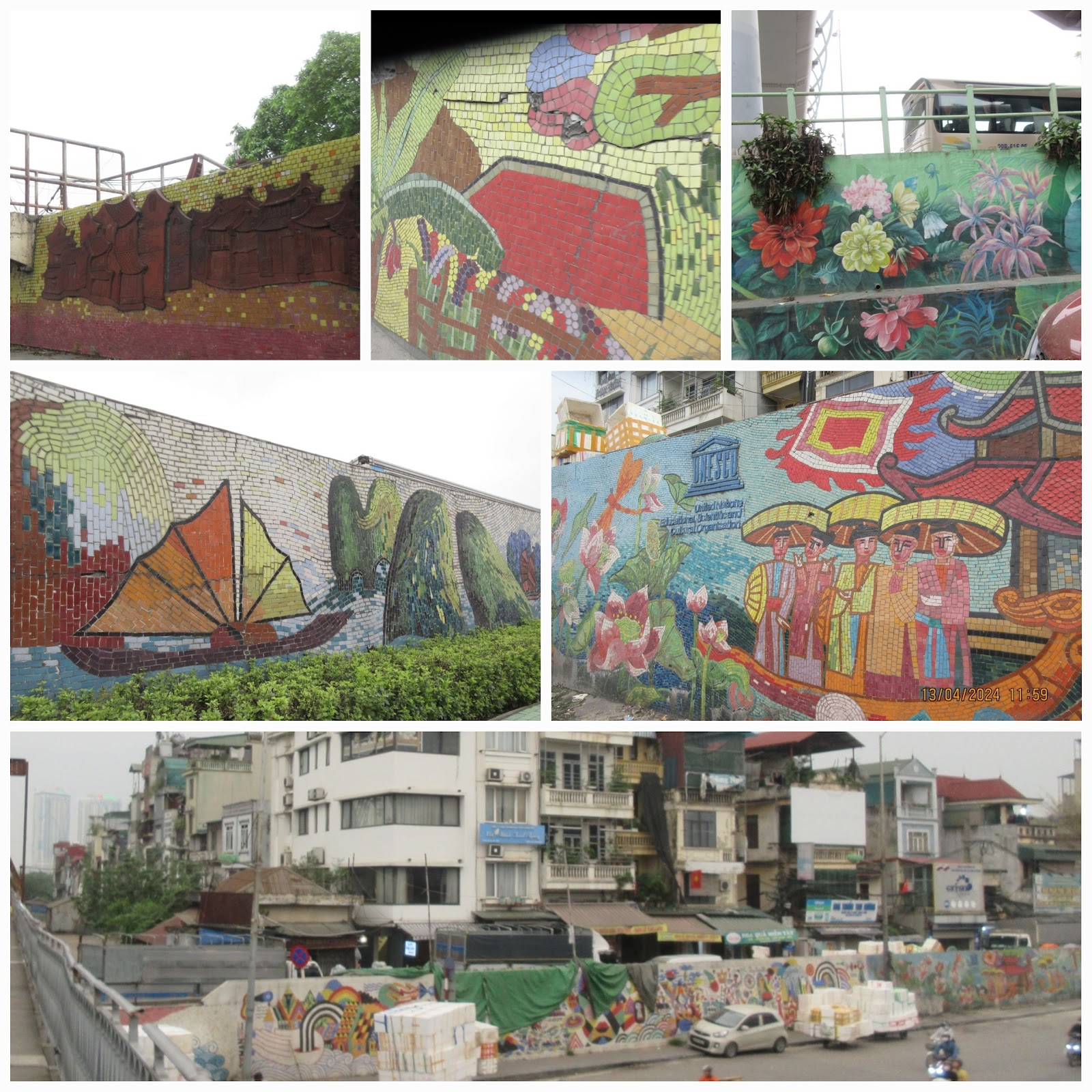
Having heard of the Ceramic Murals we decide it is time to look for them. You can’t miss them on the drive from the airport into Hanoi, but we did. 

We walk into the city centre for the map indicated that it began somewhere there.We have to ask at a boutique whose sales-girls kindly show us the way. It is quite complicated but we do find the murals on the other side of the highway confronting us. At the intersection where a ramp meets the highway  we have a few nerve wracking moments figuring out how to get as close as possible to the said murals without getting into an accident for we are actually on a highway with motorbikes, cars and trucks  bumper to bumper, whizzing by and impatiently honking at each other.

We decide not to cross it and it's a good thing too for these murals are better appreciated from a distance. We walk along the narrow uneven curb performing a dangerous balancing act every now and then. There is no visible end to the Ceramic Murals. 

Is there a way to get off the highway? We find a small break in the curb, with rough stones set down like stairs on the downward slope. Hoping they were steady we manage to wobble down onto the side road. This is probably an improvised shortcut created by impatient locals living across the highway. It serves us well.

Surprise at our doorstep 

We think  we should call it a day. Since we are now more familiar with the terrain we are able to find our way back home easily. And then we see more of these murals! The wall is actually part of the Red River dike system protecting the historic centre. To our surprise our accommodation is on the other side of the wall. Had we started from here it would have been a little easier and  we would have walked right beside the murals all the way to the city centre. But there would  be no escaping the traffic conundrum.

The next day we take up where we left off and continue to walk along the murals which takes us towards the Long Bien market ( described in a previous blog) and thence under the famous Long Bien bridge. 

A spectrum

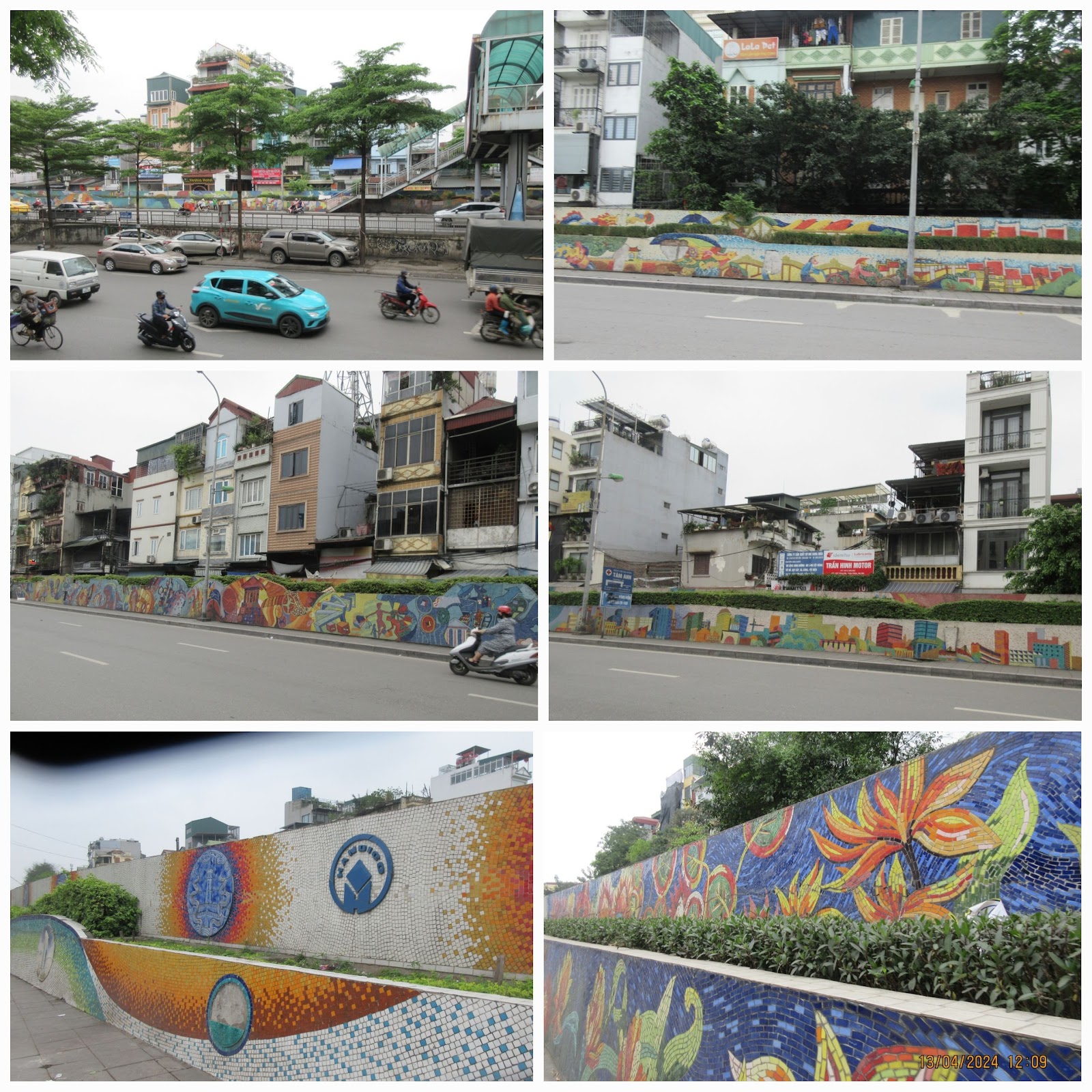
The murals  cover nearly a 7 km stretch of which we did nearly 5. When we identify cultural icons from various countries it becomes clear that this long stretch of murals is no ordinary feat. The Hanoi mosaics not only  show different periods of Vietnamese history and  iconic scenes, but also tributes from other countries with their unique designs. 

Is it any wonder then that the mega pictorialisation created to celebrate Hanoi’s millennium anniversary in 2021, has earned it the Guinness World Record for the largest ceramic mosaic?  
 

Inextricably intertwined: art and culture and religion 

The mosaics continue with us as we walk towards West Lake, the biggest freshwater lake in Hanoi. As we approach it we are surrounded by posh restaurants and hotels interspersed with lush gardens and opulent villas. But the Tran Quoc pagoda nestled on an  islet charms us no end.

Founded in the 6th century it was relocated in the 17th century to escape the silt of the Red River. Renamed asTran Quoc (National Defense), it has evolved into a symbol of resilience and spiritual continuity. In its garden stands a Bodhi tree( a gift from India), said to be a descendant of the tree under which Buddha attained enlightenment. The garden also houses several towers and aesthetically designed stupas. The red 11-story stupa and the yellow facade as well as the bonsai dioramas add a quiet beauty to the spiritual serenity. 

Eiffel in Hanoi

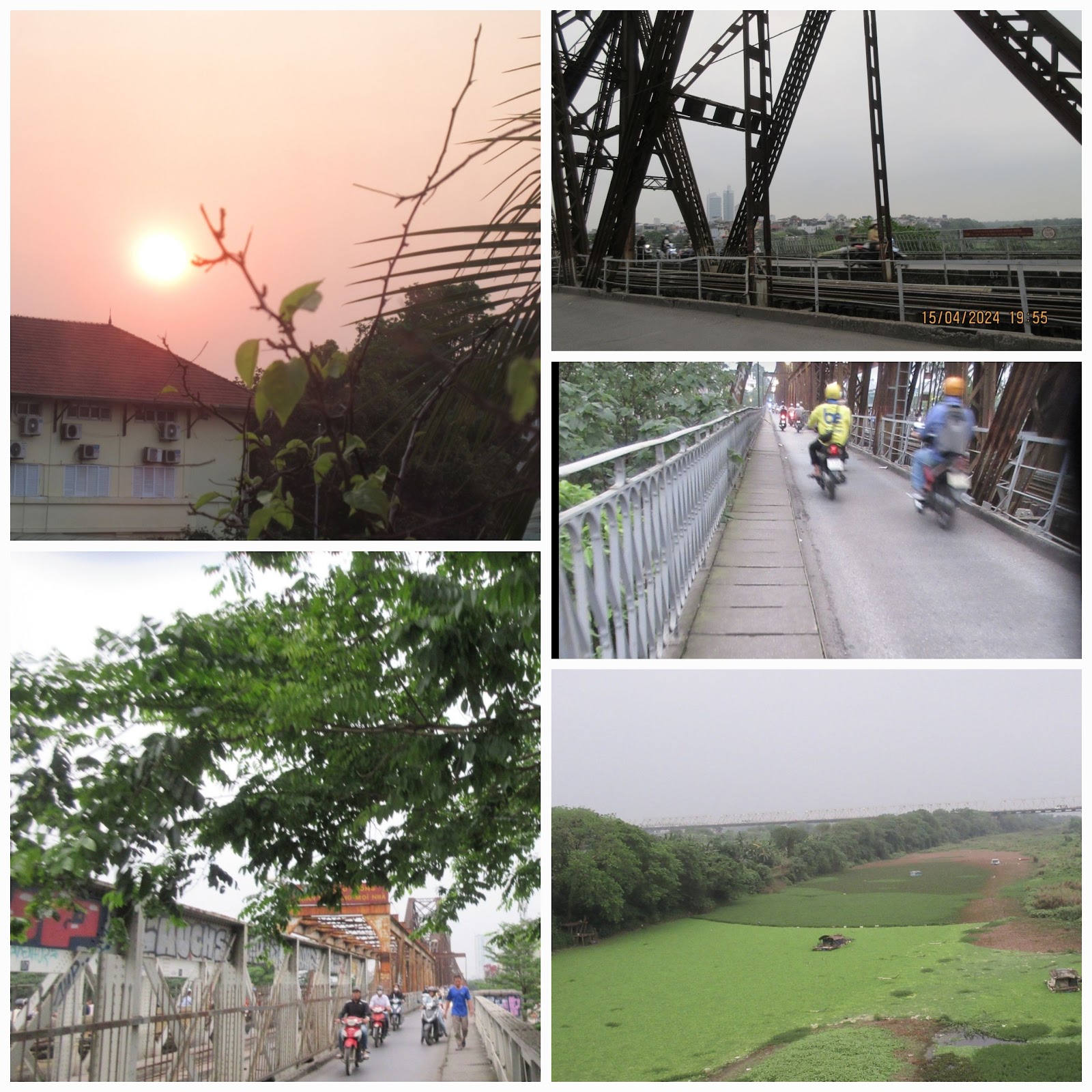
Yes, Long Bien Bridge was  originally built by Gustav Eiffel, the very man  famed for the Eiffel Tower and the Statue of Liberty. The cantilevered bridge was once the longest bridge in Asia. It was bombed during the Vietnam War and then restored. We find a stairway that leads from the ceramic murals to the railway station after the bridge  bridge. Since the sun is about to set and the day has cooled down we decide to walk along the bridge which has lanes only for bikes and pedestrians. 

Though rickety at places we walk the half of the 2km bridge from where we have views of the red river mud flats. It's like another tapestry but of lush vegetation both floating and otherwise, interjected by a boat or two making watery tracks on a green surface. The banks are again a tapestry of vegetable gardens. The lanes on the bank sport artististic sculptures from recycled plastic bottles and incense burning drums. Walls are covered with murals depicting lily or lotus ponds.
As luck would have it

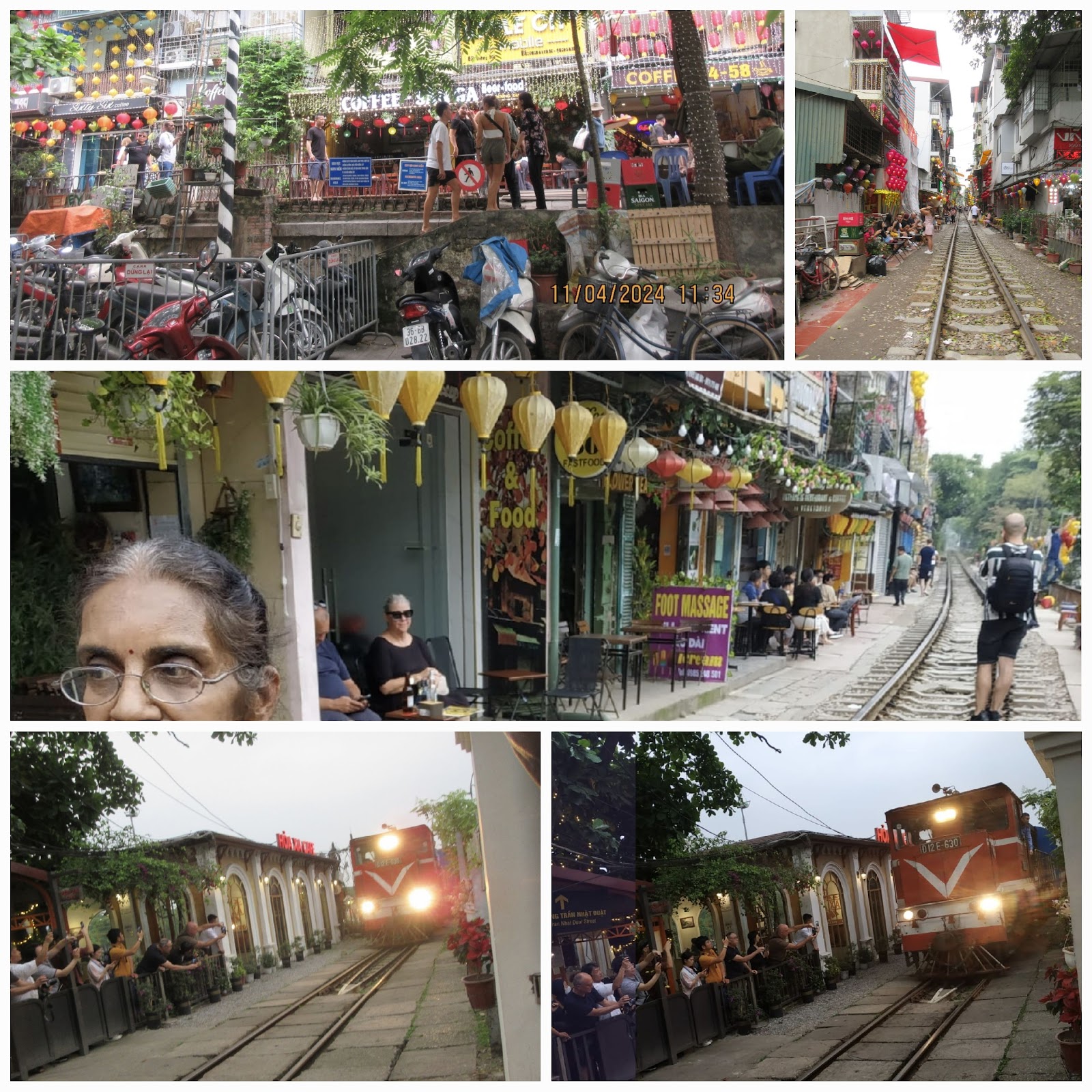
As we return to the railway station we see a crowd. It is getting dark and most are staying put. We hang around for a while and when we decide to move off, the tracks begin to vibrate. There is a gust of wind. The anxious wait of nearly 10 min is worth every minute. We are actually going to see the train that will chug past us into the tracks that lie between restaurants and pubs adorned with attractive graffiti, just two steps away from the tracks. Another surprise: the tracks go along the top of the wall that is famous for its murals and continue on a raised track into the old quarter shopping area.  We've been to the places before but were completely unaware of the proximity of the tracks.

Aesthetics every which way

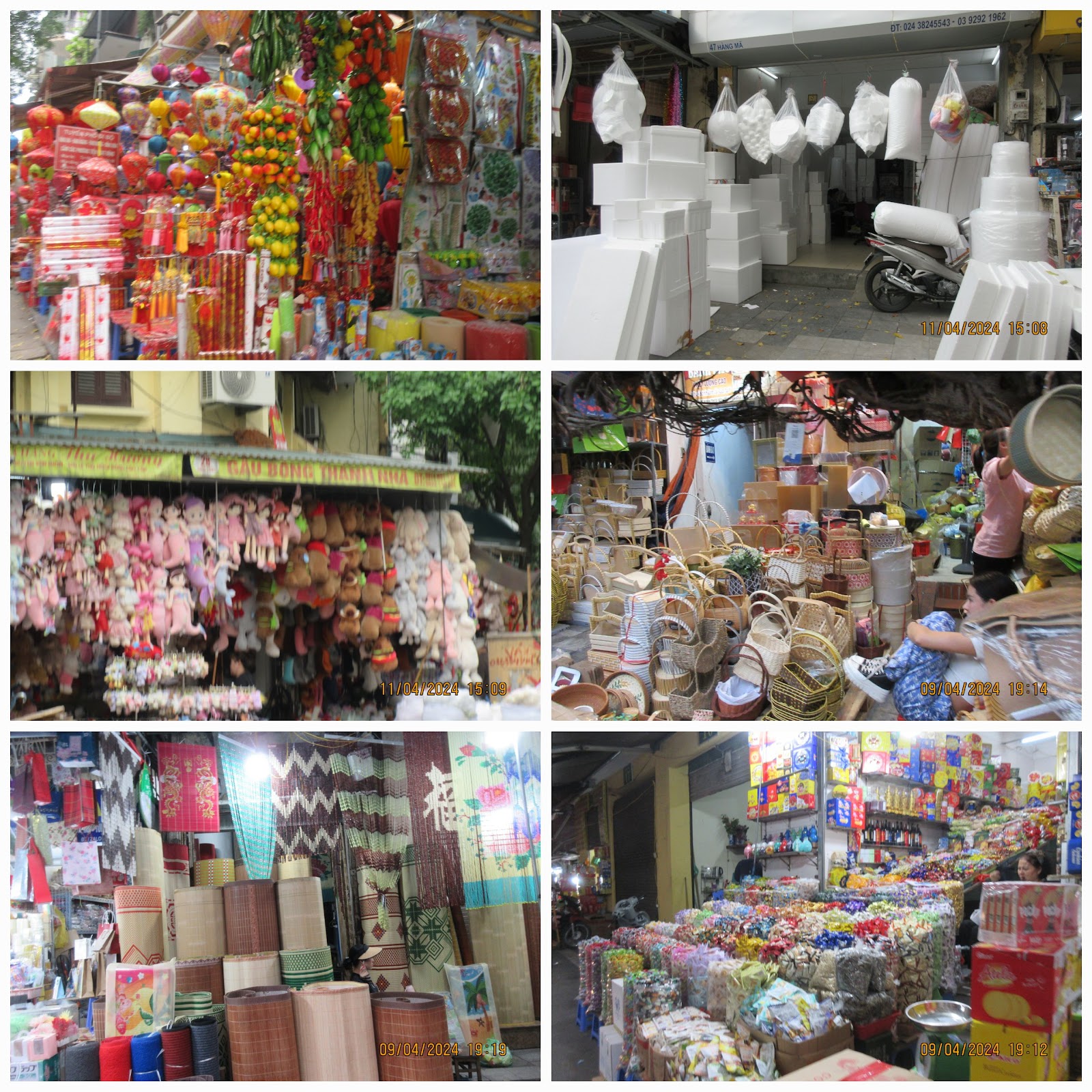
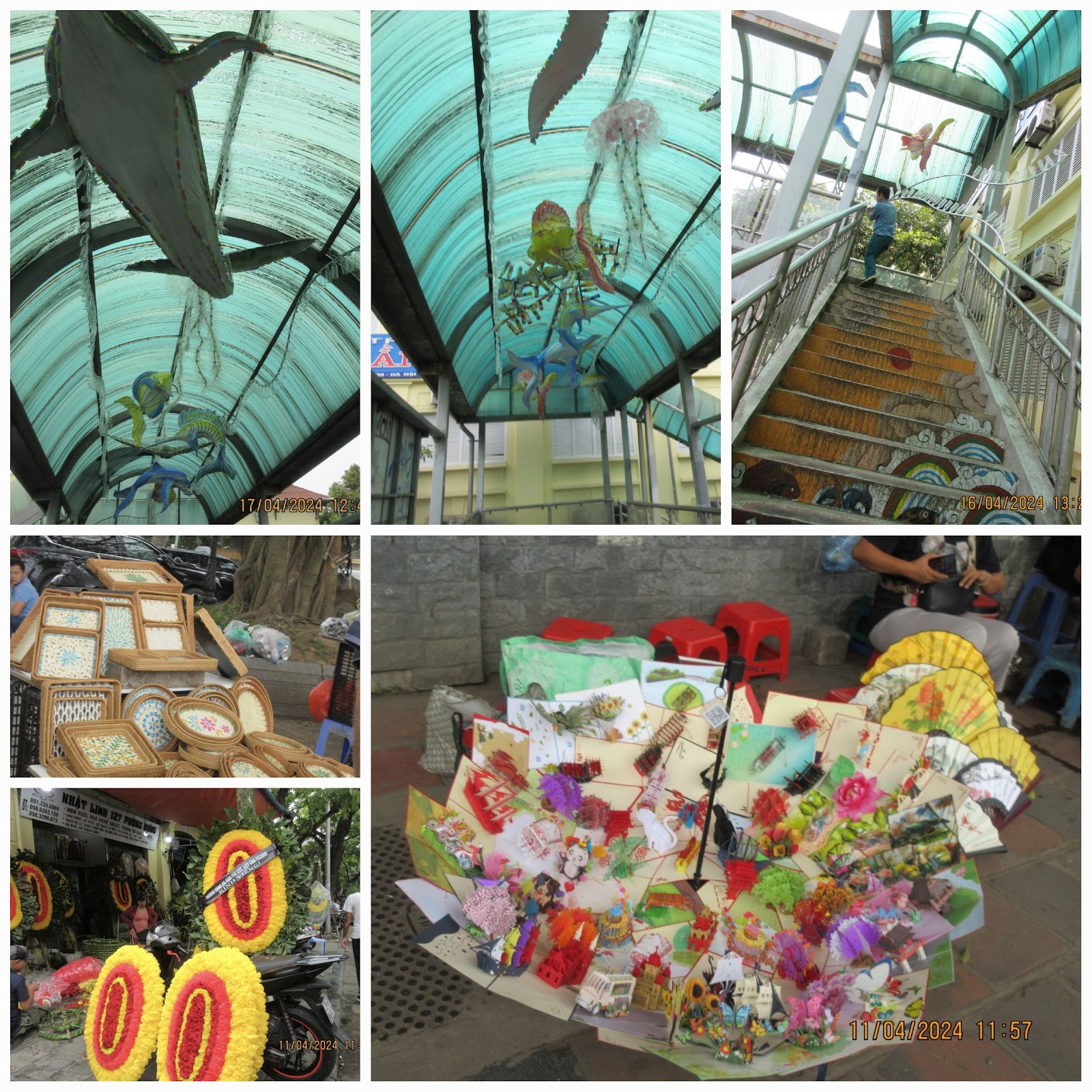
Everyday street art abounds from the way vendors arrange their goods on carts, the intricately embroidered dainty baskets to the flower bouquets and wreaths. Pop up cards  of iconic Vietnamese buildings and mythical creatures are sold as souvenirs.

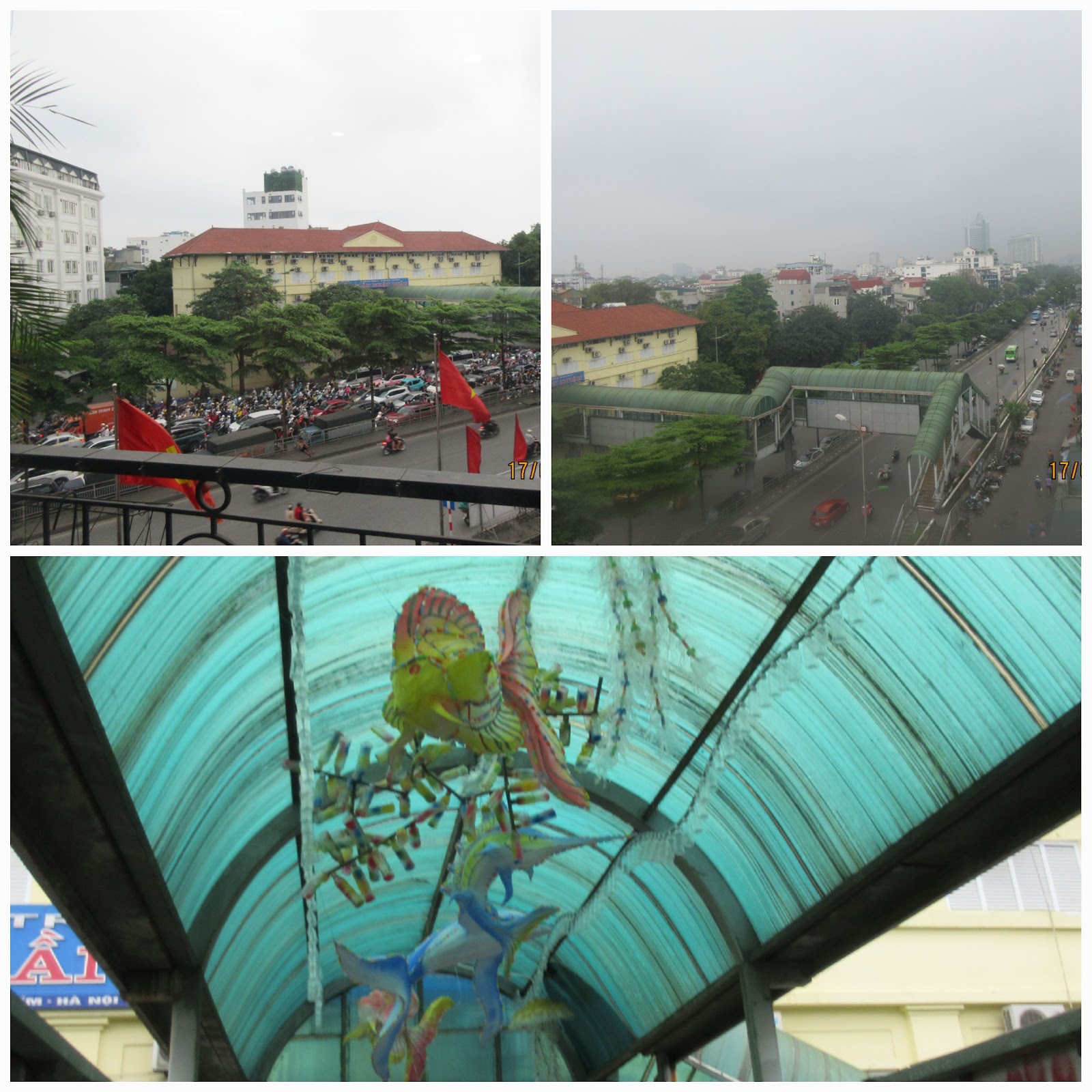
One day we noticed sea creatures made of recycled plastic bottles sitting on the pedestrian bridge over the 6 lane thoroughfare that we cross everyday to get to the old quarter.  The next day the collection increased with more of these animals and waveforms. By evening they were hung up and being wired. We left the day after but now I know that a group of artists had transformed the bridge into a vibrant,  buoyantly delightful, illuminated work of art in the evening.
We chose well

We hadn't realised we were just across the old quarter when we booked our airbnb.Historic landmarks, cultural delights,  tourist sites quite central, fairly walkable, old quarter, French quarter.
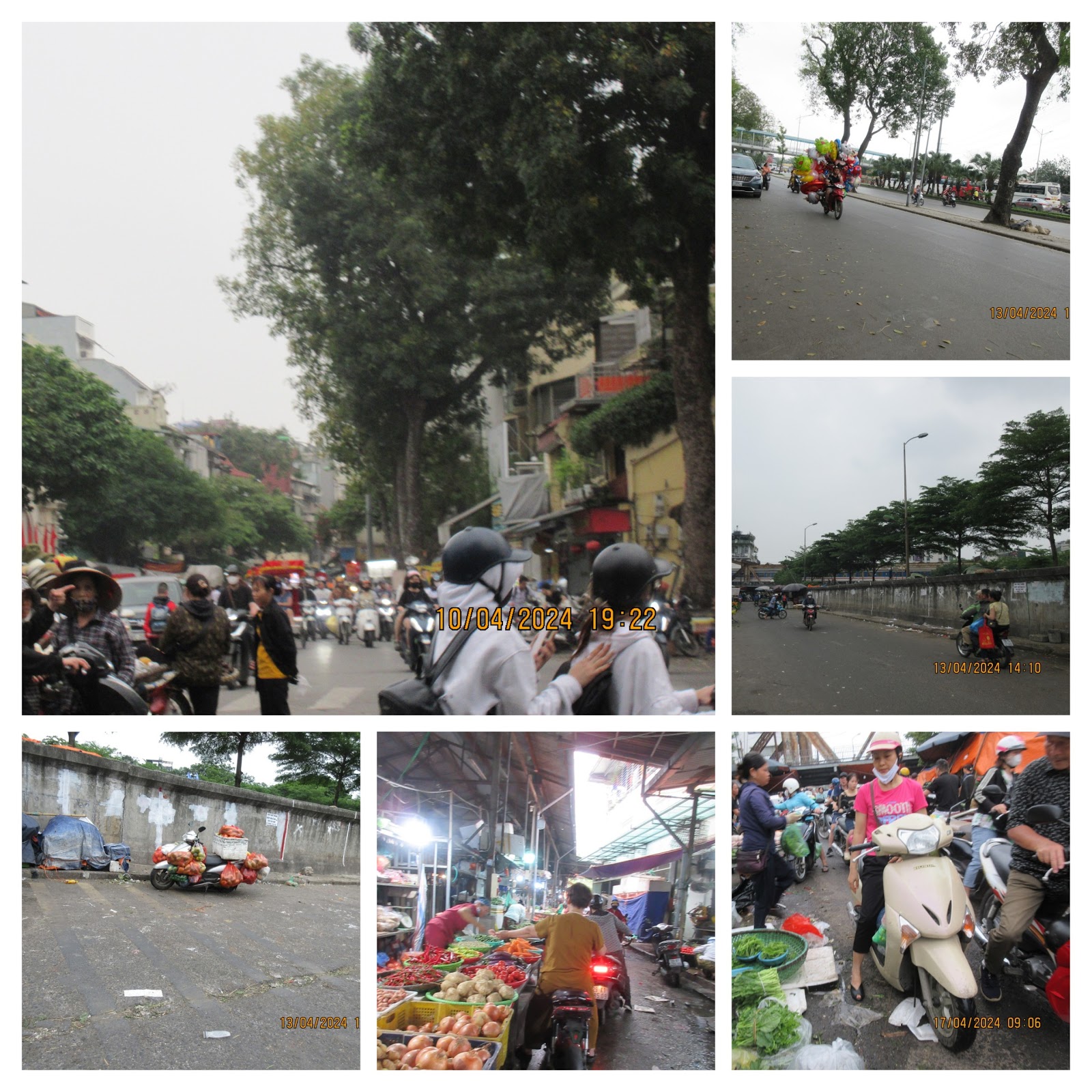


Wheeling and dealing: word for word

Navigational hazard

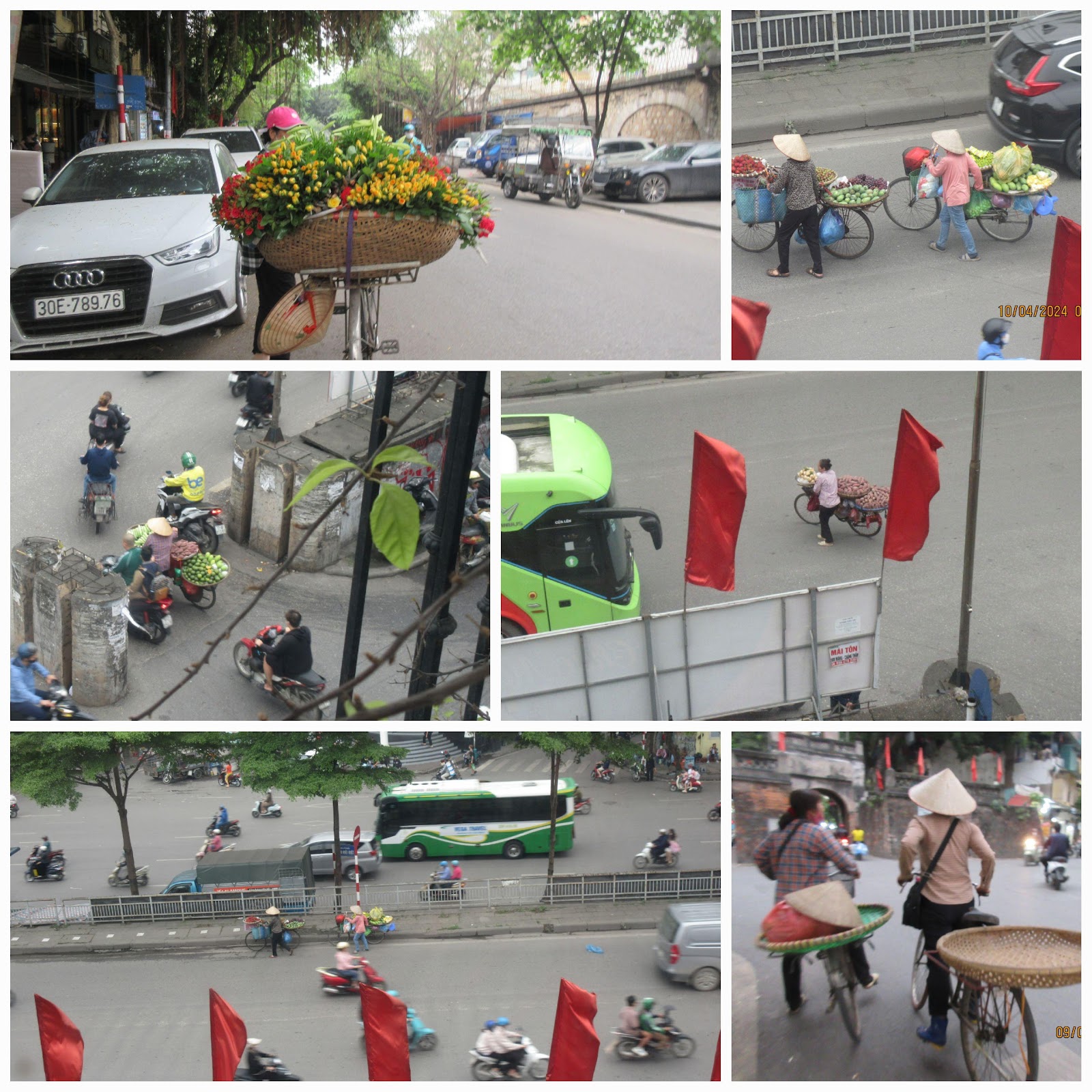
You would have heard of the notorious traffic in Vietnam's  cities. It's a stream of moving cars between heaving rivers of motorbikes, criss-crossed by pedestrians and peddlers of all sorts on bicycles either pedalling or pushing. It can all be very intimidating for the newcomer. 

Attuning to the traffic

Our first experience with such traffic was in HCM city about 10 years ago. We stood waiting patiently for traffic to ease before crossing the road. After about 15 minutes we knew it was futile. And so we inched forward. Lo and behold! The sea didn't part, but the traffic flowed around us. Skilled drivers at low speeds cause little harm. But beware. Do not freeze in the midst of crossing for the motorcyclist may not be able to plan a manoeuvre for something not anticipated. The confusion could cause accidents. 

Unexpected ‘ride’

A friend who was travelling with us was gently hit. Not because she stalled while crossing. It happened even before we started. As usual we checked the traffic in the general flow before putting a step forward and that meant looking to the left. As soon as she put a foot forward she found herself straddling the wheel of a bike that came in the opposite direction! Luckily, no one was hurt. 

So, when you are crossing the road whether at a traffic light or not, just go across looking ahead. Those on wheels will go around you just as water finds a path of natural flow. Blinders are good, but do not close your eyes.

Visiting Vietnam again, this time in Hanoi, we find the same situation. We are jittery only for the first few hours. After that, nothing, not even the honking, bothers us. 

Alternatives: do they exist?

Are there no sidewalks? Of course, there are, but mostly occupied by parked motor bikes, in between the ubiquitous food vendors' temporary restaurants, or the spilling out of a permanent one. Motorists also stop to pick up food as though these vendors and cubby hole cafes were drive-ins. 

Wheels over legs

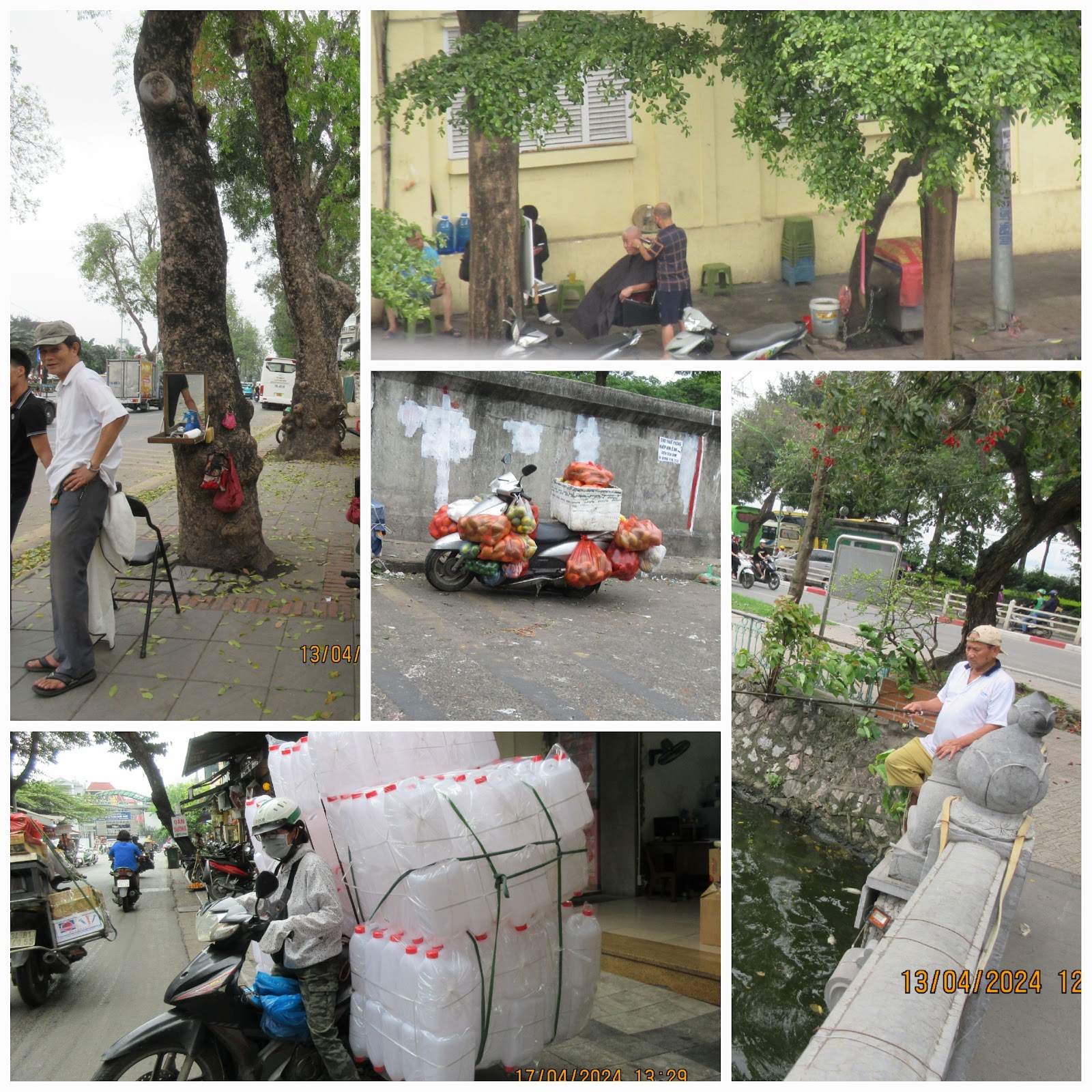
When you walk into a wholesale market with narrow aisles you expect pedestrians. But in the one I went to, every buyer came on wheels, bargained and purchased while still seated, had the vendor tie up the goods on a rack at the back, and then drove away. This means that the goods are packed in sturdy plastic bags guaranteed not to split while in the process of being transported. Also there is generous use of styrofoam boxes for handling seafood and meat.

Hustling and sidling

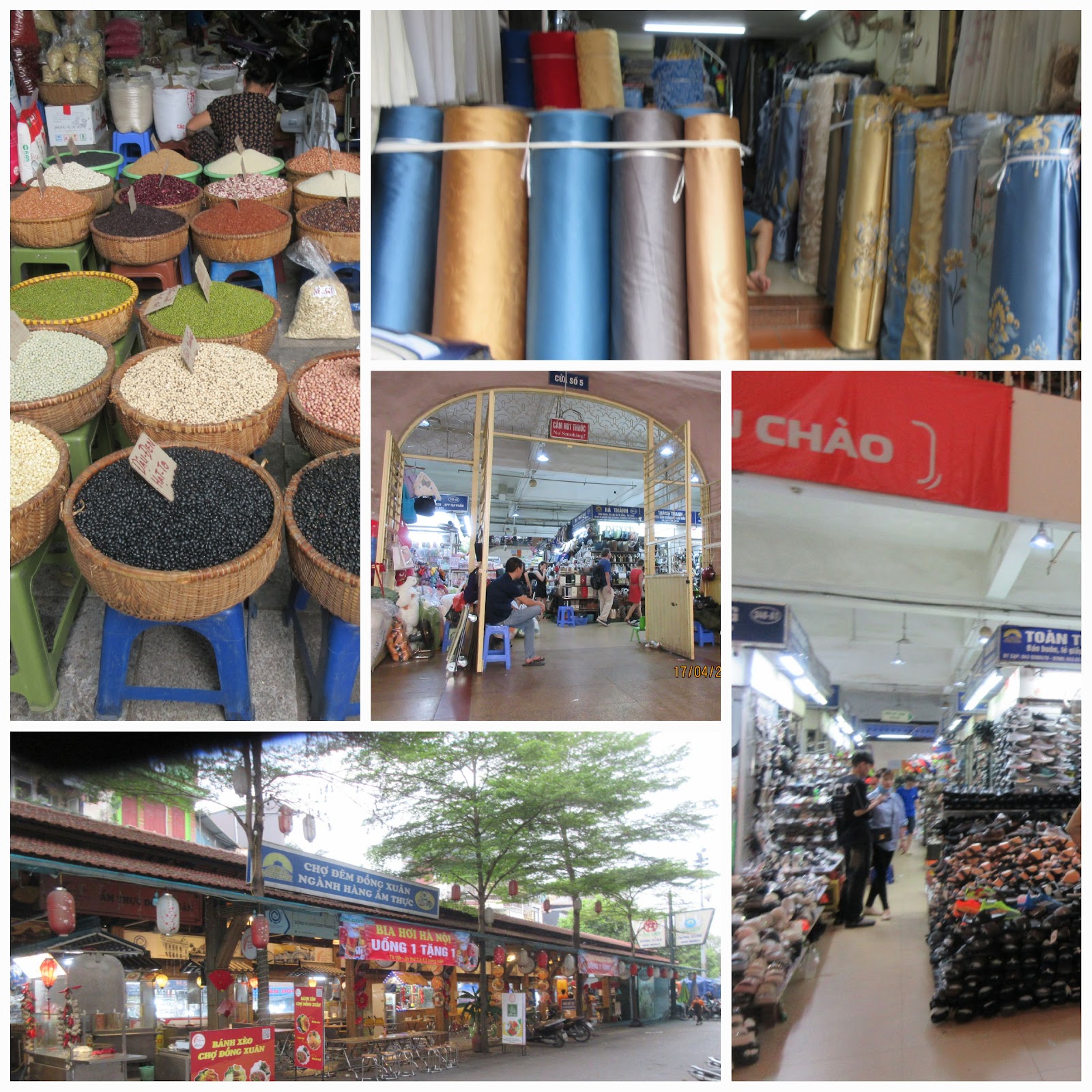
In Hanoi's biggest market, Dong Xuan, built in the 19th century by the French, we have to sidle down the aisles to avoid toppling mannequins. We are rudely brushed against by locals who know how to navigate crowds. Beware of pickpockets!

The several levels (housing hundreds of shops) now connected by escalators, are specialised sections  brimming with goods– clothes, shoes, household items, toys, accessories and Vietnamese textiles. The sales women seem to be doing more stocking than selling. 

Organised hodge podge: abundance in quintessential Old Quarter 

The covered market mentioned above is in the Old Quarter surrounded by umpteen streets lined with shophouses chock-full of goods. Each street specialises in a particular category of goods. You name it– soft furnishing, jewellery, textiles, tailors, prayer goods, religious  artefacts, candy, metal cookware, decorations, soft toys, basketry, stickers, soft toys, footwear, disposable packaging, ropes, even travel – they have it. It's amazing how they keep stock, and how the sales women are able fulfil a request or an order within a few mins. The purchaser does not have to leave the perch on his/her motorbike. The transactions are amazingly speedy. Amazing efficiency in what seems to be a labyrinthine layout.

Affordability and utility versus ecofriendliness

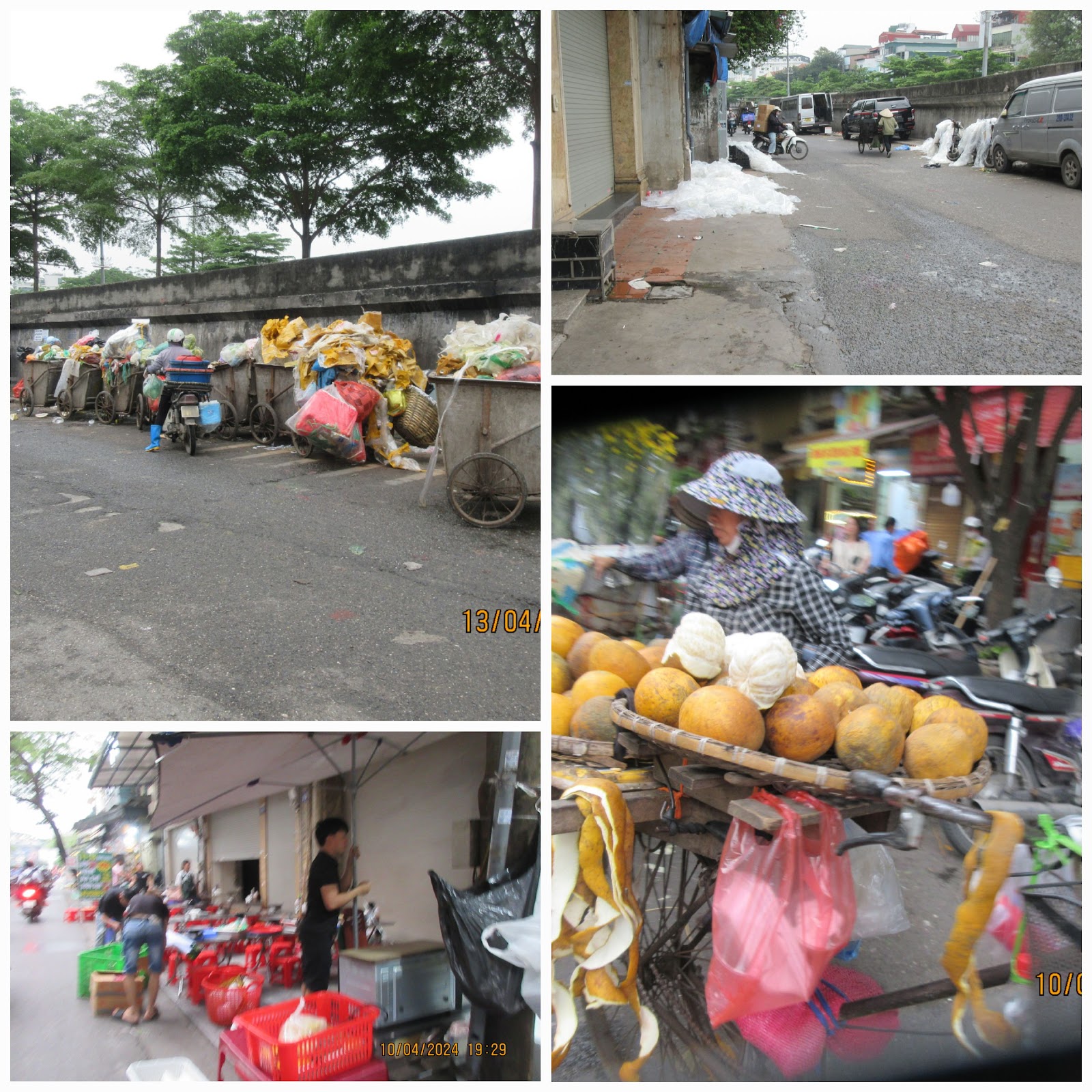
You would have seen pictures of motorcycles balancing a ton of goods either in sacks or plastic bags strung together strategically all around the rider. When we walk along the wholesale shops we see piles of clear plastic bags laid out ( to dry?) along the edge of the street. Large bins are overflowing with garbage. They are frequently emptied by the municipality. 

I now know that plastic is either reused or recycled, for the country in embracing a circular economy.


Dedication to Learning and Culture: Hanoi, Vietnam

The importance of being educated

Like schools anywhere in the world Vietnamese schools instill moral values, stress the 3 Rs, include extracurricular activities, etc. In all my 30 years of teaching the English Language  I've come across 100s of Vietnamese teens and adults. I have found them to be generally hardworking and focused. They have a good background in Vietnamese literature and history.  I've also talked to ex-teachers from Vietnam who have reiterated that the above two subjects are taken seriously in schools. Learning takes precedence. The teacher is highly respected. 

It is all reaffirmed in our recent visit to Hanoi

Hitting the wall

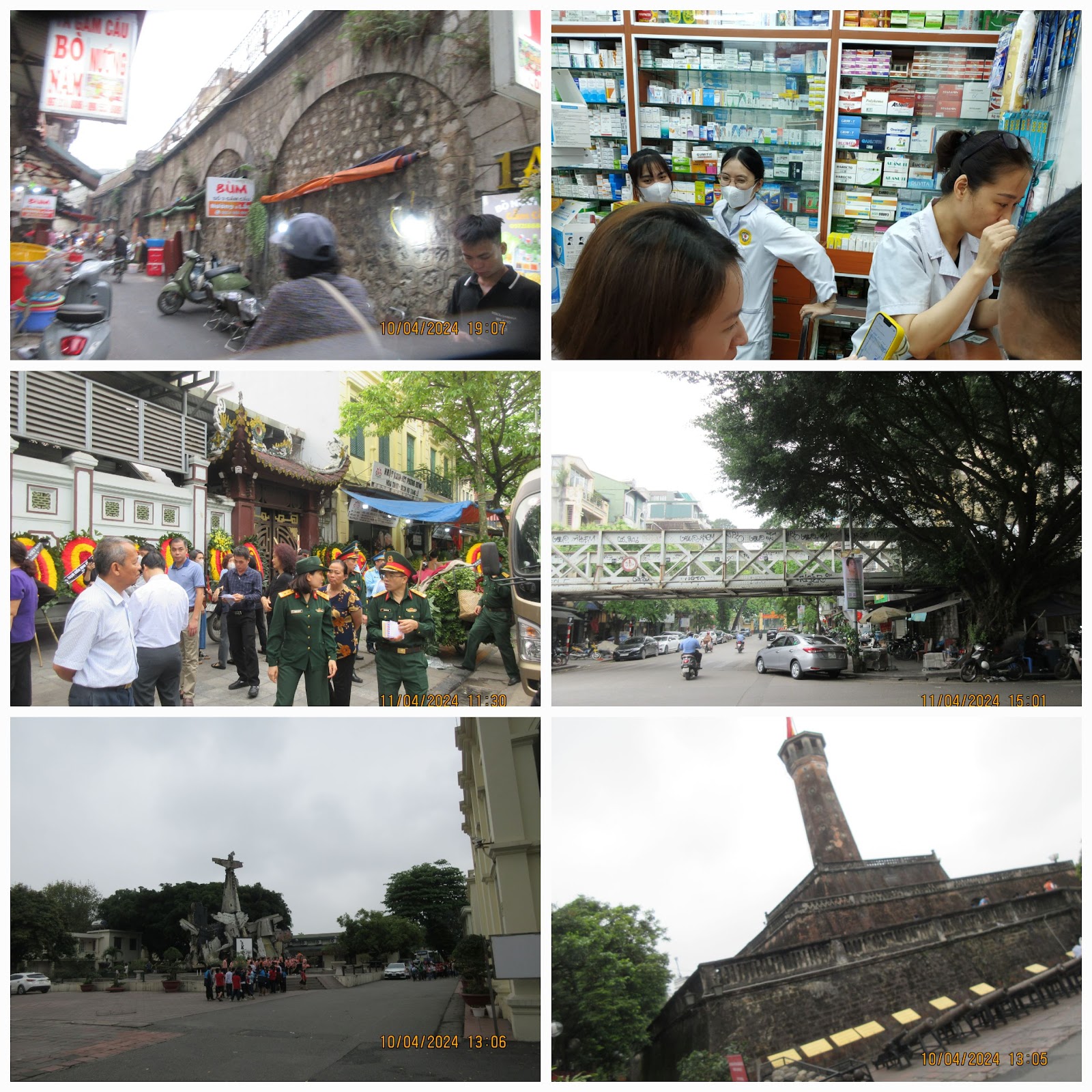
The day we go in search of the HCM Mausoleum we get a little confused. I'm not very used to offline maps. No big deal, for it leads us to surprises and unique experiences, in spite of the initial tension. We have been walking all along one of the arterial streets in the old town with which we are by now quite familiar, but we have not come this far before and we are facing a wall. The old quarters is a maze of streets going in every which direction. The monument is on the other side of the wall.  Little do we notice that there are railings on the top. (Next day, when we walk by again, we realise it is the famous train tracks going through narrow roads lined by cafes.) 


All aflutter

We have an idea that we'd have to turn left and walk on till we find a gap in the wall. How far? We decide to ask at the corner pharmacy which is very busy. The white coated women (no surprise) are busy dispensing medicine to the hordes of customers. One of them seems to be free and I ask her for directions. I speak to her forming my words slowly and clearly. I show her the Vietnamese name of the monument. She begins to get flustered, punches into her mobile phone. English translation: I don't understand. I ask her again. Same desperate response. She's hysterical. Noticing her agitation a younger woman comes to her rescue. She looks into her phone and hastily draws an L on a piece of paper, roughly torn from a notebook, indicating the streets we have to negotiate. She gets back to work. The older woman is still flustered all because she couldn't help us!


Learning bites

Nothing to it but explore. We walk and we walk, and we walk. About 20 mins into it we ask again. Go straight and turn left. No idea how far or how long. But we get to see a parade of army officers, and suited men and women all bearing floral wreaths to be displayed at the entrance to an important looking building. Were they congratulating someone? Were they celebrating an official, or a significant  day? All we can see are concentric ovals of yellow and red on easels. We now know they were funeral wreaths.


The elusive gap

At last we see a busy road under the bridge going over and across a gap in the wall. We see Khaki clad sentries in almost every building on the street. We must be nearing the mausoleum. We happen to pass a building that declares itself as the  EXPO. Ah! There it is. A huge rectangular park dominated by a statue of Lenin. The building opposite must be it. We are stopped at the gates of a run down yellow and green building. Really, is this the Mausoleum? No. It is the Museum! You have to get tickets. “We close in half an hour.” So says the guard. We are not normally into museums but why not now since we've walked this far and still have no clue as to the whereabouts of the Mausoleum?

Game for history?

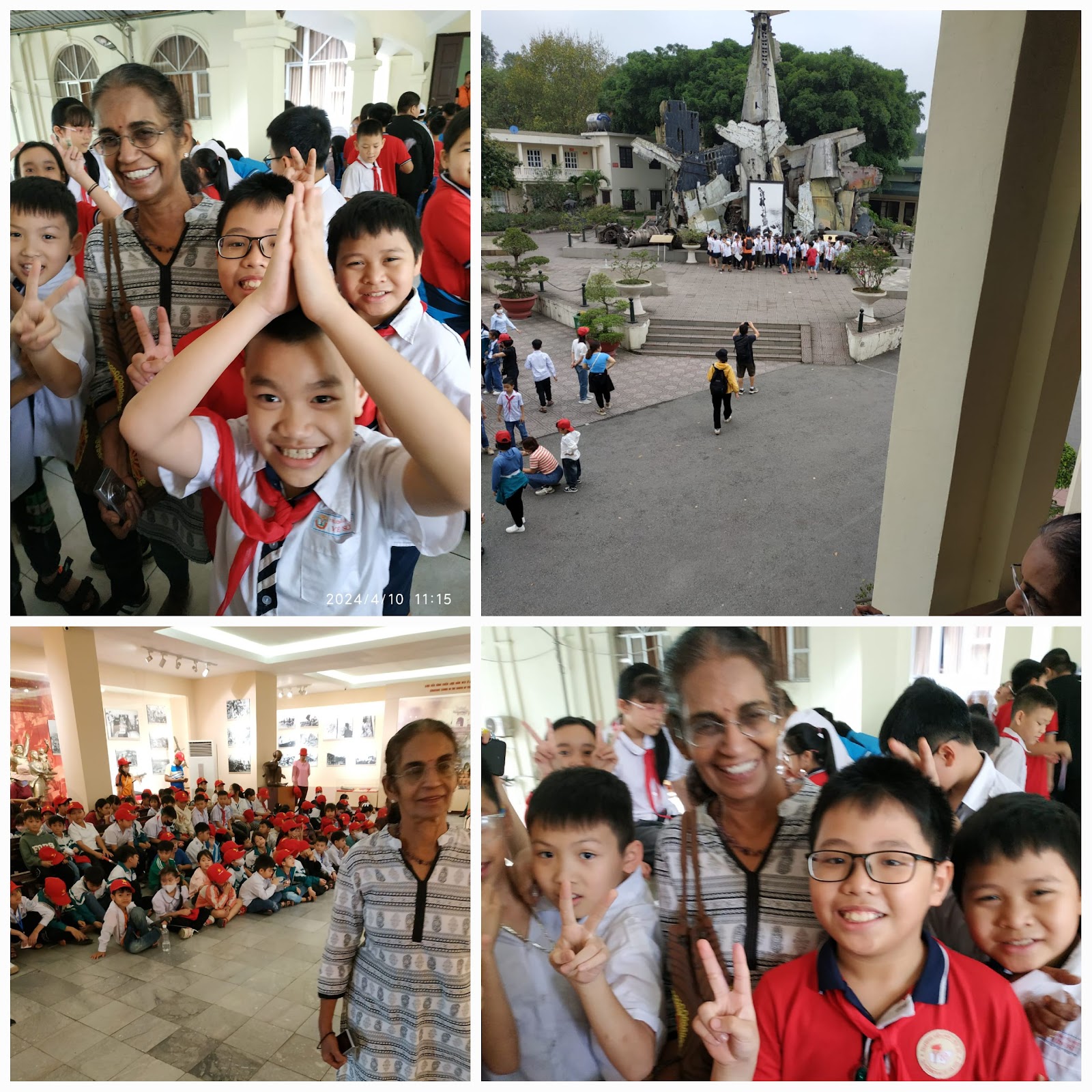
This is the Military History Museum. Hordes of students fill the courtyard and the unique and Historic Flag Tower ( the mathematical game, Tower of Hanoi, takes its name from here) flying the huge Vietnamese flag. Teachers are busy guiding their wards and getting them to pose for pictures. Some groups are snacking but not a single piece of trash is left behind!


Most of the exhibits in the 3 different buildings are on the second floor and if we really want to see anything within 30 mins,we'd better be climbing each one, walk through the rooms, walk down, climb another set of stairs in the next building and so on. It would have been like a marathon if not for the sea of school children surging up and down the stairs, or sitting in the exhibition halls ‘listening’ to their guides or teachers trying to get their attention through megaphones! 

Shifting focus!

Needless to say, we are a great distraction. Everybody wants to say hi or hello and even slap a high five! As we wade through them they are eager to befriend us. The moment I mention we were once teachers, our Vietnamese counterparts clearly express their respect with their beaming smiles and approving nods!

The instruments of war may speak of the country's proud history, but the students and teachers showed us that it was not just intellect they valued but also their culture. 

The mausoleum

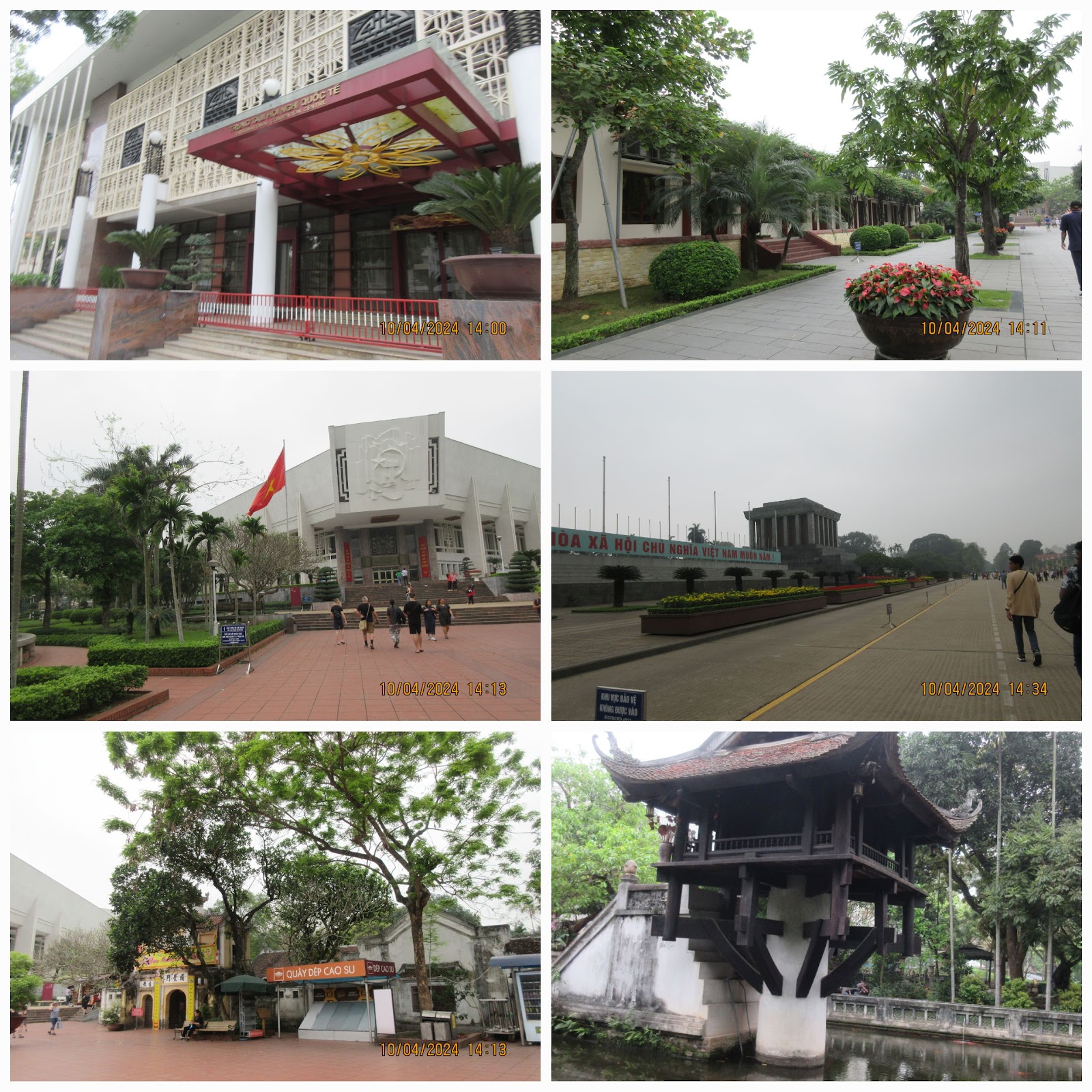
We find out from a tourist, “somewhere over there perhaps with a slight left”, that we are very close to the Mausoleum. Again we have to take a few tentative turns but the various sentries graciously point us in the right direction. The security is tight. Most foreigners come in groups and have their own guides speaking different languages. We are not ready to stand in a long line to see the embalmed body of a venerated leader. Let's leave it to the Vietnamese. The colossal mausoleum and its expansive grounds are impressive but all the interesting buildings around it are closed to the public. That is a let down. 

The bonus

As we walk further in we see lots of tourists, souvenir shops and shady trees. Surprise of surprises! We are at the One Pillar Pagoda, a historic site I thought would be out of the way. On the map this diminutive structure seemed not so easily accessible from the mausoleum. (We may not want to come this way again since there is so much more to explore elsewhere.) Its unique architecture resembling the lotus flower raised above the water, roots buried in the mud, the 13 steps that augur fertility and prosperity, and the bodhisattva tree, a gift from India aptly represent Buddhist beliefs and values. Besides, it has survived the ravages of war that called for some restoration.

A spanner in the works

Drink was so tired that his legs were giving out and so he decided to favour a young man calling out for us to take his taxi. We tell him where we want to go and he takes us to a car 2nd in a line of about 10. There's an older driver in the car. The ‘hailer‘ and the driver point to the meter to convince us of their honesty. I'm hesitant but. . . We hop in. We take off with the meter on. The meter reading climbs slowly. The direction seems right. Then the familiar roads. The driver is very chatty trying to point out the tourist attractions and how he has friends, especially Indians. I look at the meter and then begin to relax daring to peel my eyes off the honest looking numbers. We sight a landmark near where we were staying and ask to stop. Within a few secs the meter has been run at full throttle. The 5 km ride cost us more than the 45 km ride from the airport. I shake a finger at the driver. Drink is struggling to sort out the currency notes that have so many zeroes. The driver dips into Drink’s wallet to pull out the notes held onto very firmly. The driver begins to grab the wallet but the owner's fingers are iron clad. It is like a tug of war! The driver definitely tweaked the meter when he had distracted us enough.

We had been warned. We were sceptical. Then we plunged in. Alas, we were outsmarted!

Recuperation from a bruised ego

We had hoped to go to the Temple of Literature on the same day for it was in the vicinity. But we decide to leave it for the next day after nursing our ‘wounds’.

This time we have no difficulty finding our way even though it was complicated. The street names have all become very familiar and we are more at home in the Old Quarter.

Far from the madding crowd into ripples of cheer and colour.

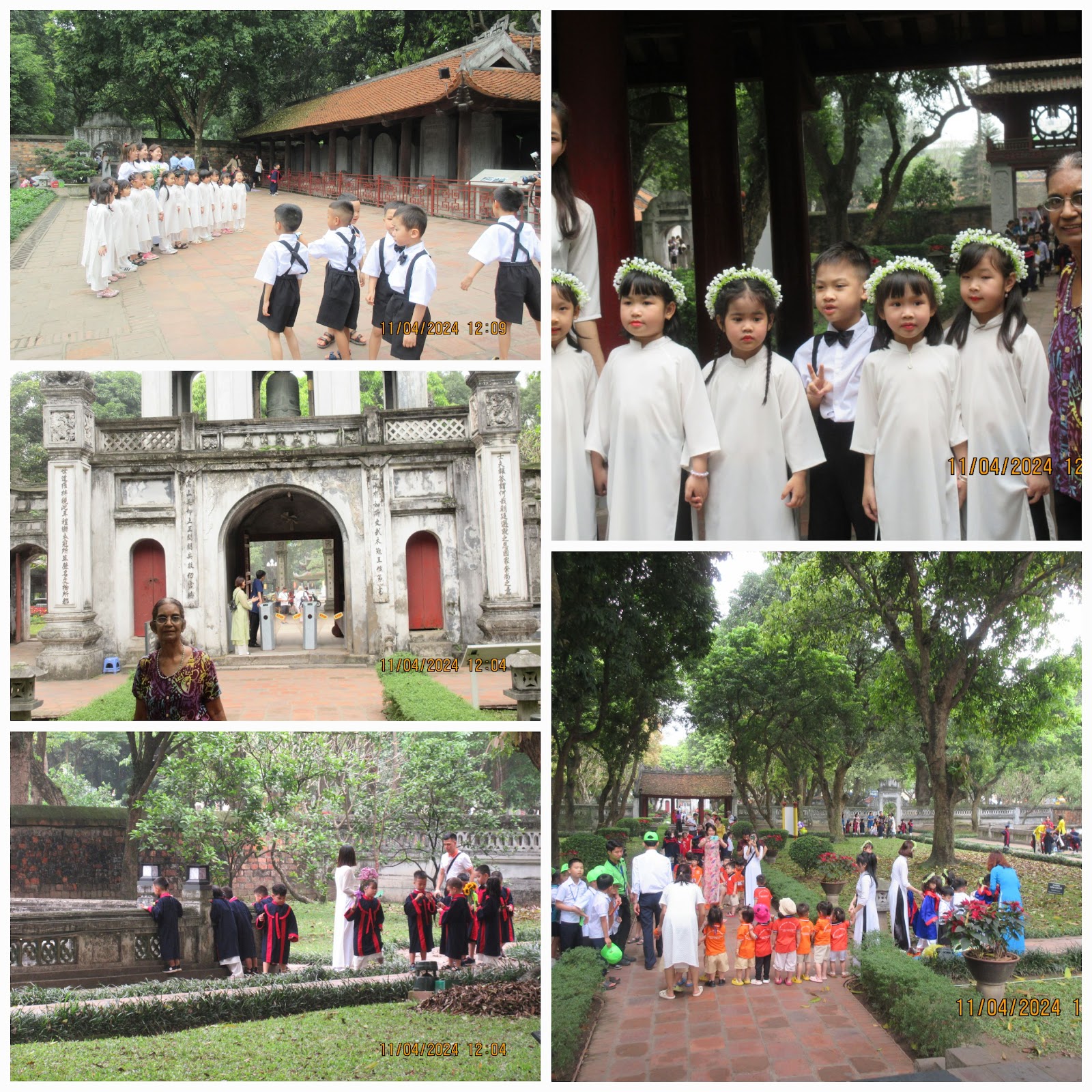
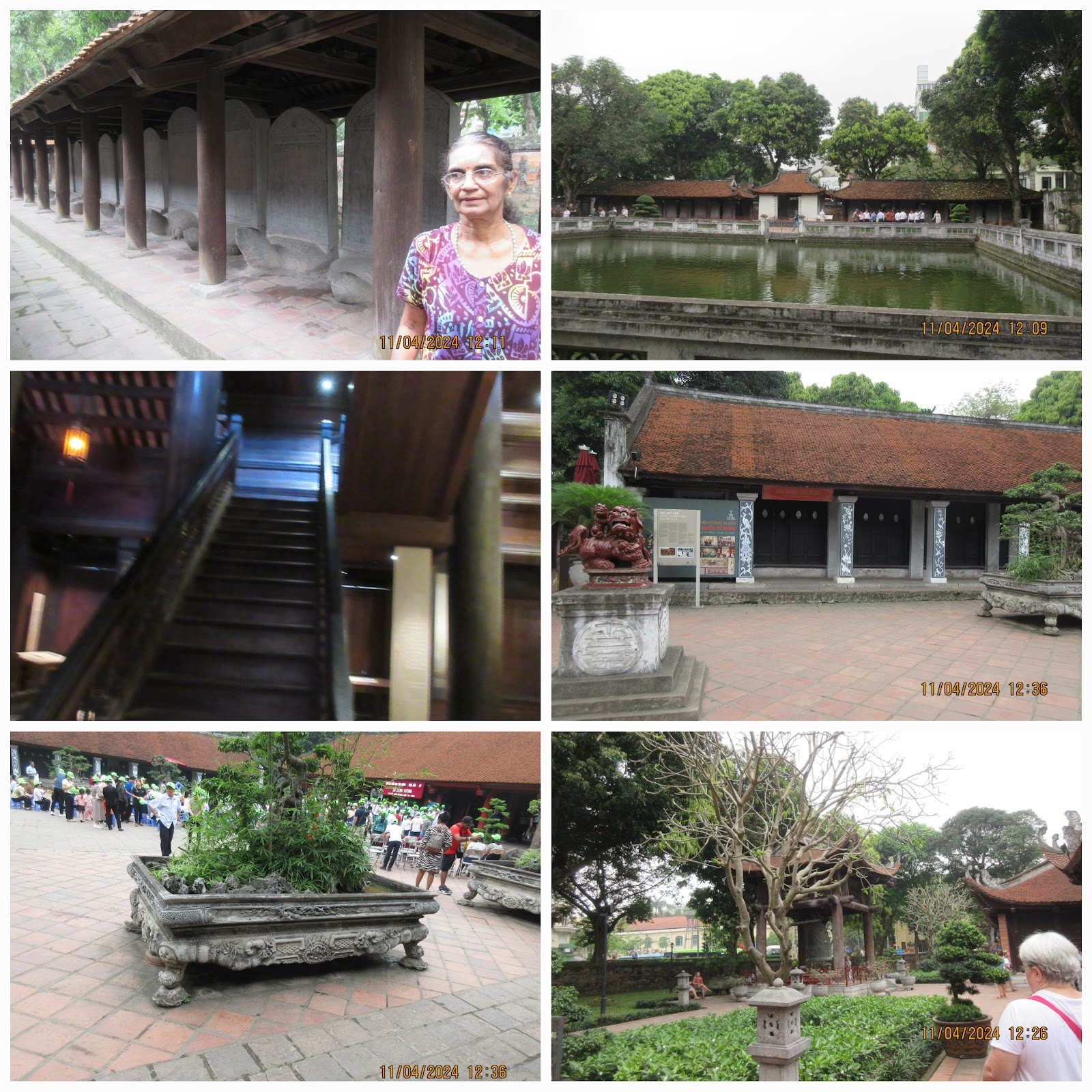
A temple. That of learning. Shouldn't the atmosphere be calm, solemn, serene? Shouldn't this huge complex of 5 courtyards separated by significant ornate gates, filled with manicured gardens, tranquil lily ponds and traditional style pavilions be a calm oasis in the middle of a frenzied city? Not today. It's filled with children from kindergarten to high school dressed in ao dais, formal attire, and graduation gowns, posing with family or teachers,  tossing mortar boards in the air for that floaty photograph. Here and there we hear sobs from an overwhelmed child being consoled by the teacher, or an exchange of giggles. The photographers gently coax their subjects into picture perfect poses.

It's the end of the school year. Graduating classes at all levels are celebrating their promotion to the next level. Some older children are holding on to either exam tickets or result slips, respectively asking for good luck or thanking the gods that be. At the Confucius shrine, a priest in fine silk robes reads out a prayer from a scroll. The largest temple drum in Vietnam booms. The long necked phoenixes perched on turtles, flanking the leading deified Chinese Scholar, seem to stand stiffly at attention.

From the privileged to the egalitarian

This is  Vietnam's first University. It was built in the 11th century in honour of Confucious,the philosopher. At first only accepting members from noble families it followed the strict imperial examination system for selection of scholars. The central path was once solely reserved for Kings. Only those who passed the entrance exams were allowed  through the first gate. 

Over the centuries scholarship took precedence over gentility, therefore becoming more egalitarian. One temple is devoted to the kings who encouraged academics with their contributions. 

Turtles might lose their heads

The fourth courtyard housed the academy. Now it houses steles honouring scholars. Each stone tablet stands on a turtle. Rubbing the head of the turtle,which represents wisdom and good fortune, brings luck to the student. The danger of turtles losing their heads to erosion by touch is very real and so has led to a ban of the practice. 

Enduring legacy

Many of the buildings that served as classrooms and dormitories have been turned into a museum depicting the rich history of Vietnam and the importance of education. Surprisingly there are English captions of great clarity for the exhibits.  

 The picturesque campus is filled with historic relics. The vibrant reds (reminders of Chinese culture), the symbolic animals, the reflecting ‘well’ , and the pillars lend a scholarly and dignified atmosphere making it a great place to learn of and appreciate the past. 

The layout, starting from the entrance gate, leading deeper into the inner courtyards through successive gates, all the way to the 5th seems to represent the journey towards depth of knowledge. The historical artefacts and cultural icons speak of a unique culture ( partly Chinese) intertwining spiritual and academic values.


Bottom line:  Respect for teachers and dedication to learning continues to endure, bridging the gap between traditional values and modern aspirations.

Trivia: The building on the back of the 100,000 VND note is the Temple of Literature


A room with a view: Hanoi, Vietnam

Not a nuisance but a golden opportunity 

Hanoi, Vietnam for 10 days, by fluke. We had given ourselves only 6 days in Hanoi after spending 4 days in Luang Prabang, Laos, but our flight tickets to the latter destination was lost among the many business connections between the various companies vying for our dollars. What is there to do for 10 whole days? You'd be surprised.

Where exactly are we?

We have booked an apartment just across the old quarters. We are not in the modern, slick city with gleaming  highrises. They are tucked away in the distance. On the first day, having arrived in the evening, all Drink does is walk to the closest market ( suggested by our host) to shop for a handful of vegetables to prepare our first dinner in Hanoi. He would get more the next morning.

Going through Google maps of the area does not give us a feel for the place. We think we are in the old quarters. Nothing like a bit of physical exploration to get our bearings. And we set forth the next day hoping to negotiate the maze of streets without much difficulty. Only after a few days does it dawn upon us that we are in fact across the old city, in its periphery. And the overhead pedestrian bridge, across 12 busy lanes, connects this part to the historic part.

Realisation

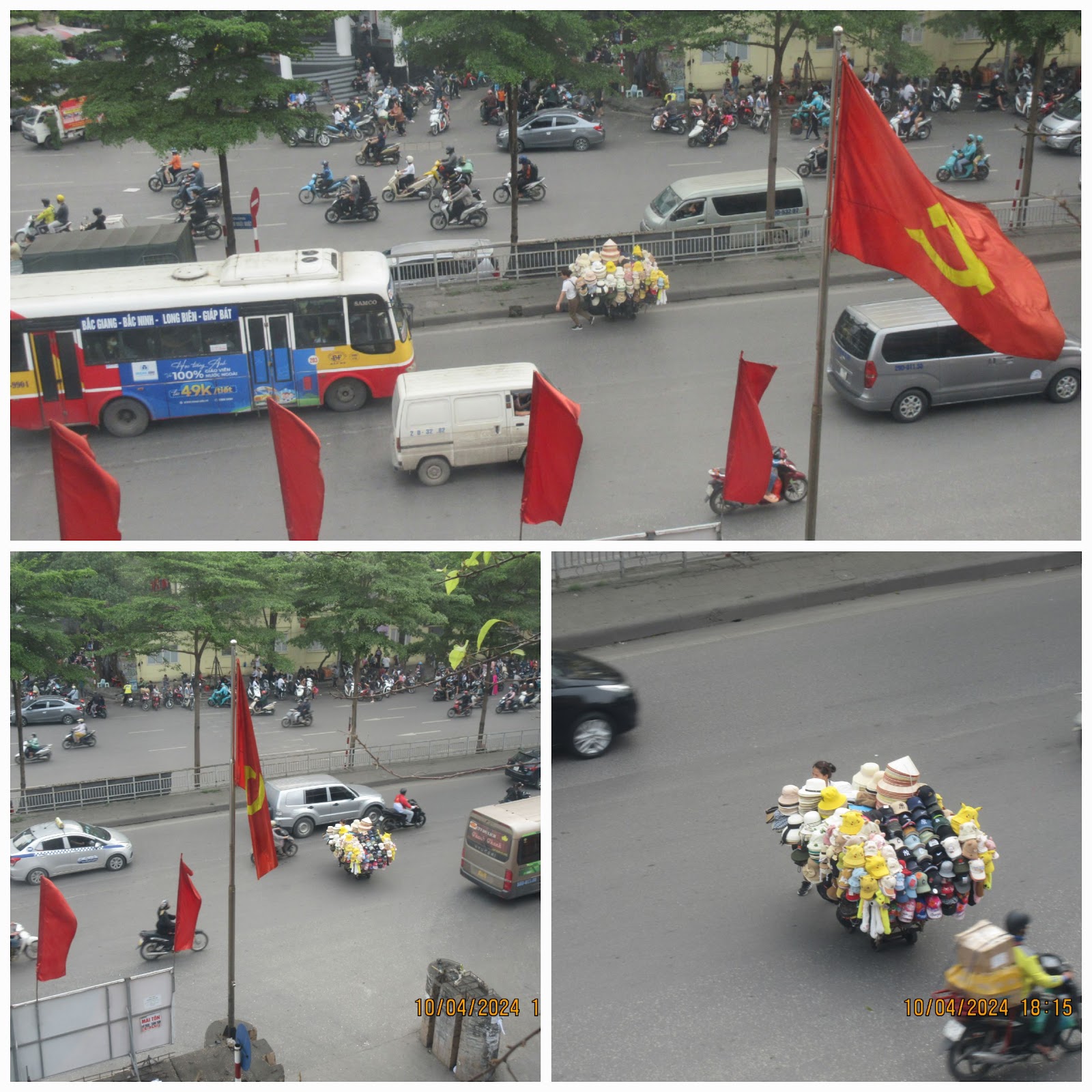
Not only are we getting familiar with the terrain walking 8 to 13 km a day, but also the community. Our corner apartment on the 4th flour has large windows and French doors that give us a bird's eye view of everything that goes on throughout the day.

A few days into our visit we discover to our delight that the road, along which we had bought a variety of luscious tropical fruits from the vendours' tantalising  heaps, that our living room is actually facing the road that leads to the famed Long Bien wholesale vegetable and fruit market just about a 100m away!

The wall that separates our precinct from the 12 lanes and the old quarter, boldly marked at the portals with the large red Vietnamese flags, is part of the longest ceramic mural wall in the world! And to think that we had gone looking for it nearly 5 km away only to find that it led us back home! It is not fortification for it is not around the old quarter. It is not simply a decorative wall.  It is actually part of the dike system along the Red River that runs through Hanoi. The murals contributed to by a variety of artists from various countries was the brainchild of a diehard Hanoi citizen.

Compact eatery: up in a snap, gone in a snap

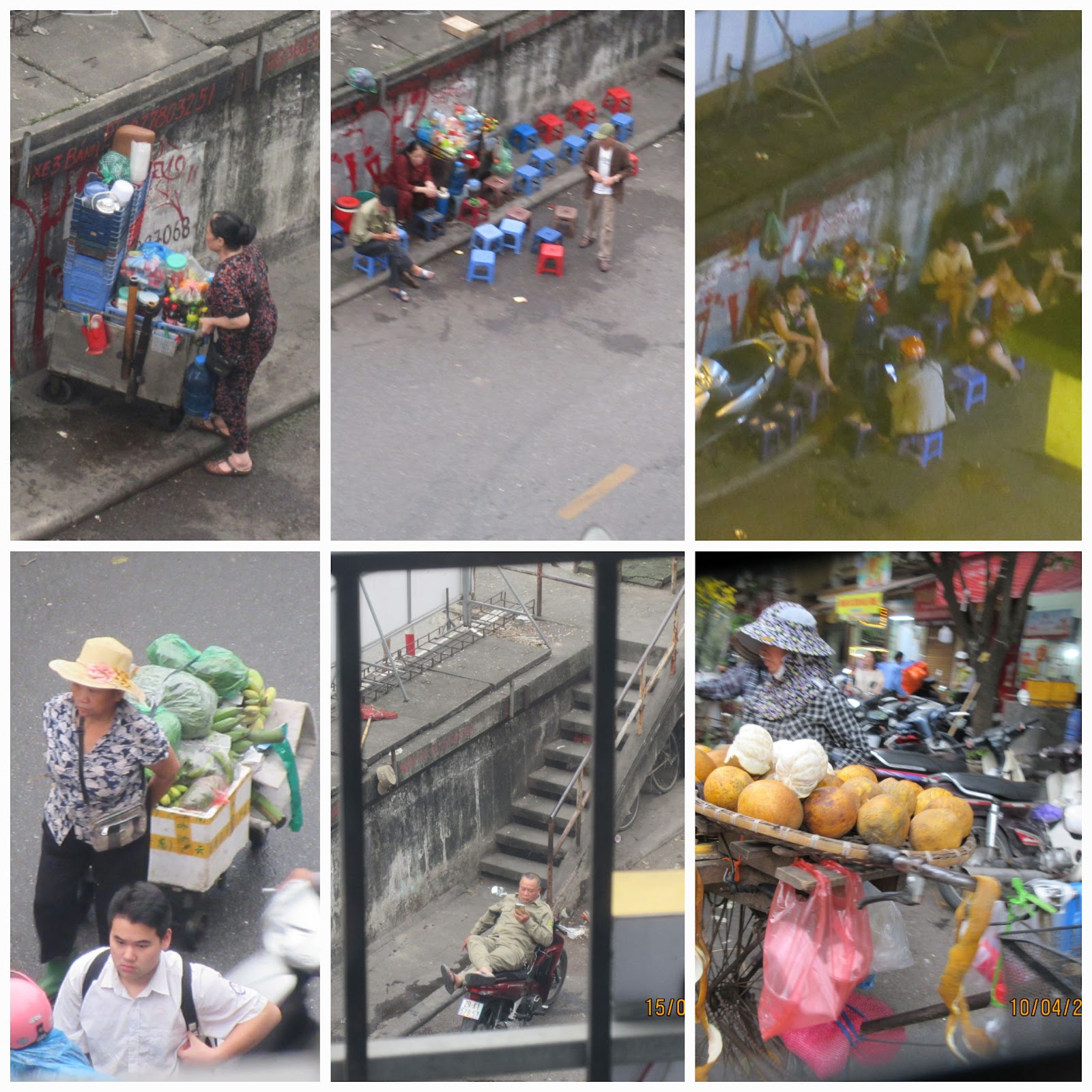
Just inside the wall, at 5:30 am, a woman briskly sets out her low plastic tables and chairs on the pavement. From her rolling cart she pulls out a bucket of water, bowls and cutlery. She already has customers. They get tea poured out from two huge thermos flasks. The hot noodle soup or porridge is served. Her customers are retailers who have come to purchase stock from the whole sale market. By 6:30am it is already getting sunny. She pulls out a beach umbrella which has a receptacle on the cart. Her customers move into the shade. For rainy days she has a much bigger tarp for a canopy. By 7:30 am she is almost sold out. She pours out the bucket of water which she has used to rinse out the bowls for her customers. She packs everything, including the stackable furniture, compactly into her cart and trundles away.

The same woman appears again in the evening and goes through the same routine under the street light. One day, when she did not appear we got worried! Was she ill? Did she have something to attend to?

Occasionally a policeman on his rounds would patronise her.

Catnap any time anywhere

The moment she cleared out motorcycles filled up the space. At one time the policeman even had a nice long nap reclined on his motorbike!

Portable retail

She is not the only vendor we become keenly interested in. A woman,  in the typical conical straw hat walks down the market street and the turns into the busy lanes and crosses them. She balances a pole across her shoulders, baskets slung at each end,  carrying paraphernalia needed for cooking and serving as well as the ingredients for the particular type of food she specialises in. Occasionally she rests the baskets on the ground, readjusts the pole and then continues to walk with her mobile kitchen until a customer hails her.

Another woman has different types of fruits, attractively arranged, in her baskets, again walking along and across the roads keeping an eye out for possible sales.

No rear view or side view mirrors for a moving mass

Then there are the women who balance two to three bamboo trays of fruit on their bicycles. When a customer hails them, they pull out a stout stick to prop up the bicycle to free their hands. They are a godsend to busy housewives and business women

Others carry loads of flowers of different types an colours. We always worry for them when they cross the busy arterial road. They are smart. They walk  the bicycle across rather than pedal.

In the afternoon two ladies each with carts tactfully loaded sky high with hats of all kinds pulls their loads through our street lined with parked motorcycles and cars whike also dodging moving vehicles. It's like driving a truck with a great sense of clearance all around the mobile store. Even if one hat slides off it could, horror of horrors, cause an avalanche of hats.

We breath a sigh of relief everytime these industrious, unrelenting business women navigate safely.


Male Chauvinism or respect for resilience and hardwork?

You'd have noticed that I spoke only of women. No, I'm not biased. This is the stark truth about Vietnamese society. Men generally  just seem to drive taxis, ride motorbikes, and sit around drinking tea or beer, depending on the time of day and depending upon whether they hold a job in mens forte as in information technology, oil and gas etc.

But the street barbers are definitely men.


The Tricity of Poland: Gdansk, Sopot and Gdynia (1)

Respect for order The parking area where our driver (refer to an earlier blog about Conflict and Cohesion) drops us off reflects Gdańsk'...

Follow by Email