Showing posts with label hospitality. Show all posts

Charming location and hospitality: Rosslare, Ireland

 Rosslare,  Ireland: what did we really expect?    


Surprise 1: bus[y]ness

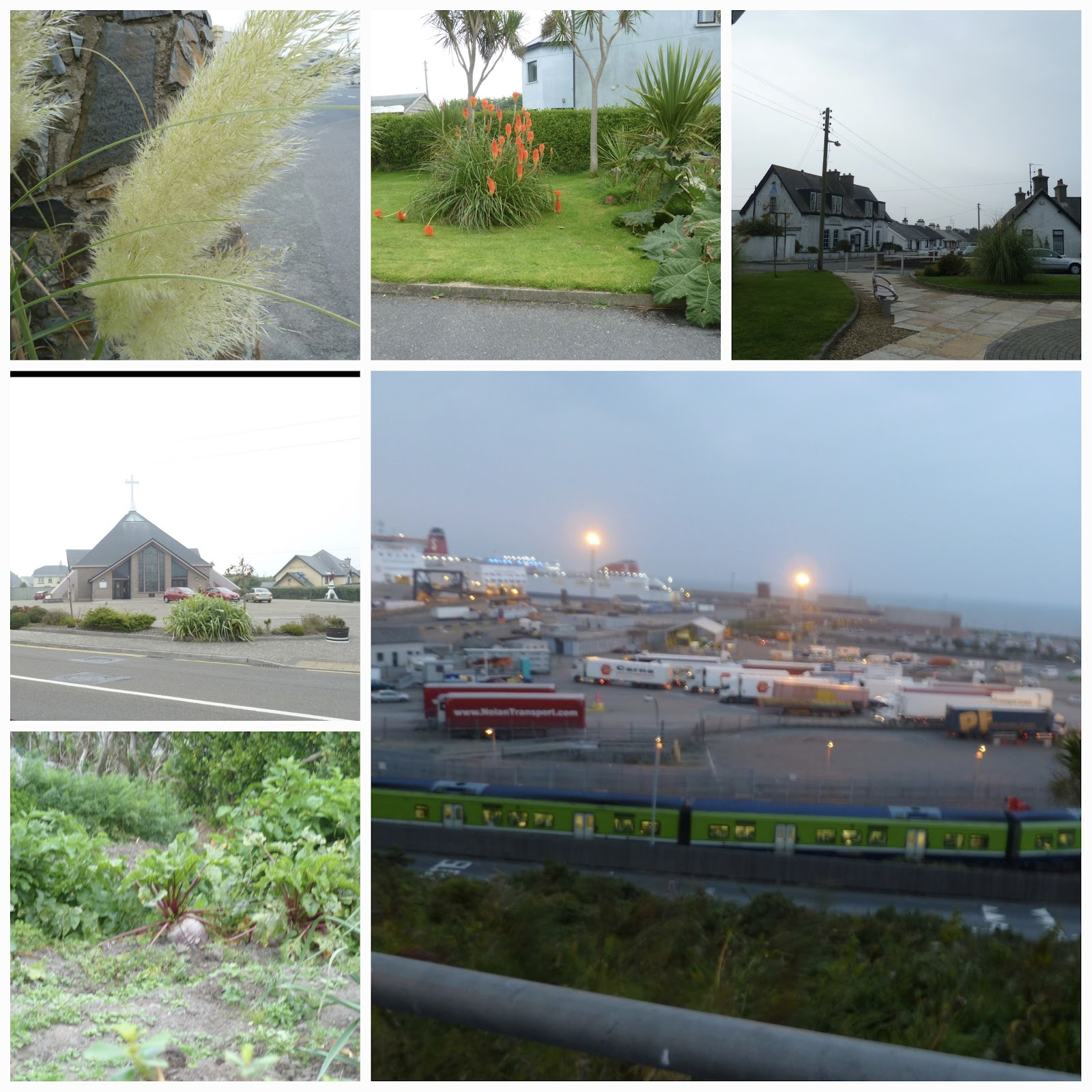
We are in Rosslare mainly because it is on route to Dublin. The three hour ferry ride from Pembroke Dock, Wales, drops us at  Europort. We find the port very busy as it has ferries plying to Spain and France as well!  As soon as we get our bearings we discover that the railway station is literally only a few minutes walk from the dock. 


Surprise 2: Views

Our stay is at a building just across the railway line but on a hill.  It being late in the evening we think, we should try a shortcut instead of following the windy road which meant walking a lot further from the starting point. We negotiate a slope and a rickety wooden staircase to reach the road on which our accommodation sits. In the balmy twilight we have great views of Europort. Further away is the strand!


Surprise 3: climate and flora

There are actually tropical plants and trees! We could have been anywhere in the Mediterranean! No surprise that Rosslare has been a tourist spot for more than a century! 

Surprise 4: dazzling modern Victorian 

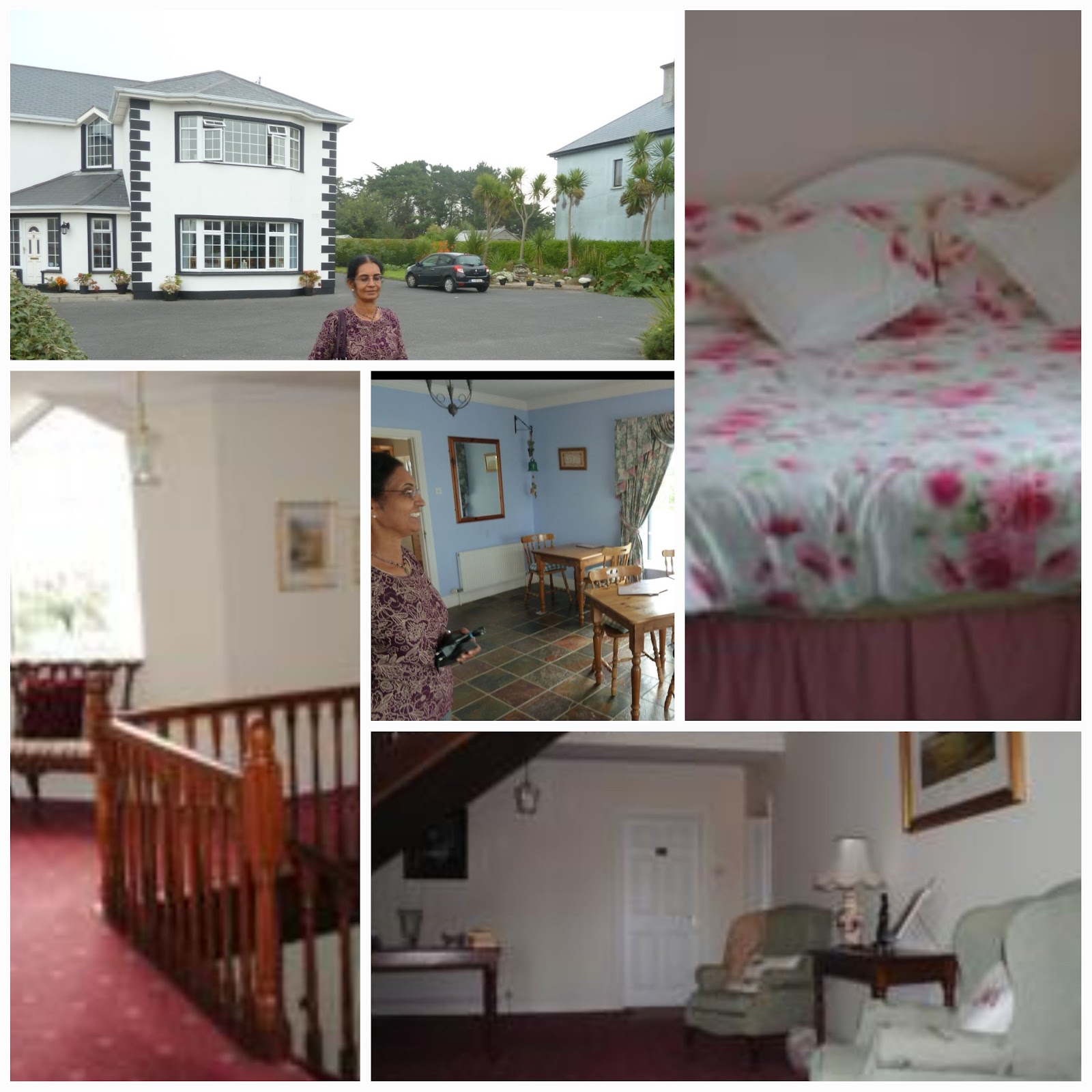
As we enter our host greets us with such a huge heart warming smile. We are dazed. When the daze wears off a little we have reason to be even more charmed. There are two lounges with dainty rose print wallpaper and comfiest of sofas and  Victorian lampshades. A dining room conjures up promises of a comforting highly proper breakfast served on elegant crockery with appropriate cutlery


Our rooms? By far the best

A highly polished set of stairs leads us to a large bedroom with similar rose patterned wall paper and linen. The bathrooms are clean and very modern. The WiFi is incredibly fast.
Surprise 5 : We are in a popular holiday destination

It has a lot to do with history and geography

We are actually in a building that was once a courthouse. What an incredible makeover the owners have made.

The Irish Ros Lair means ‘the middle peninsula’: not middling but a go between! 

The weather has lent to its epithet: the sunniest spot in Ireland. 

It has a long beach.

In the early 20th century the harbour was beginning to silt and therefore would reduce traditional movement of goods and people which is why the Rosslare Harbour also became Rosslare Europort with the added railway. 5 trains a day run to Dublin.


No wonder then that it remains an easily accessible vacation spot.


Is it all a dream?

As we are to take the train to Dublin soon after breakfast our host has arranged an early breakfast for us. It is what I had expected. A full Irish breakfast is presented to us with such cordiality and elegance that makes me want to pinch myself to wake up from a dream!


Is the proof really in the pudding?

We are served two unique puddings in slab form – one pale  and the other a Reddish black. Now the revelation. They are not the familiar sweet dairy based desserts. They are concocted from meat scraps, offal, and blood so butchers need not throw these items out! They are called puddings because they are boiled or steamed inside a cloth.  The ‘white’ does not contain blood. The ‘black’ does. Do they generally make them at home? No, they come in sausage form from the deli. They are sliced into discs for serving.
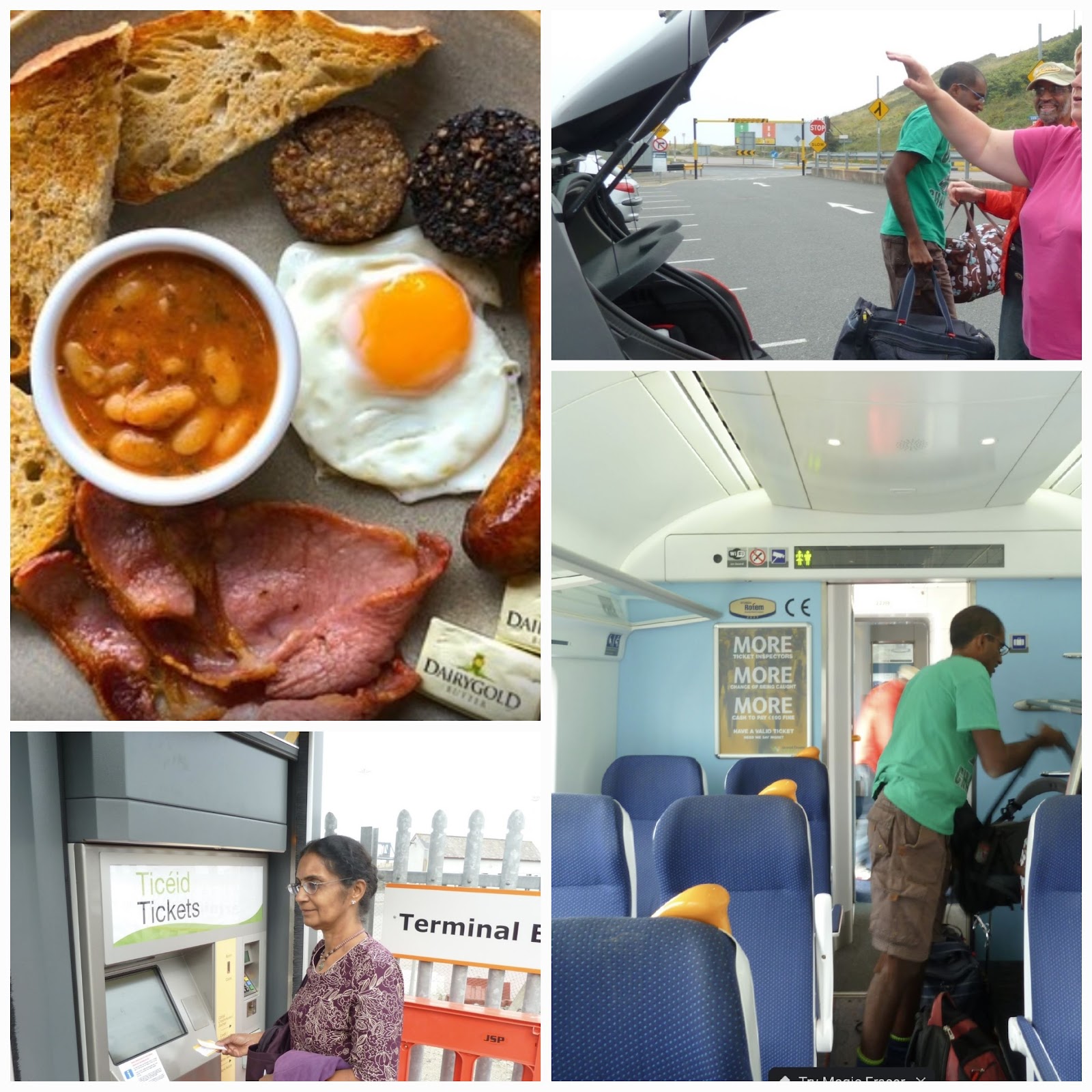

When it is time to leave, our host for the day offers to drive us to the station. We should have hugged her.


We are quite reluctant to leave on our 3 hour train ride to Dublin, but we must go on.


Maribor, Slovenia: Unruined

 ‘Curiouser and curiouser’ as Alice would say

After 2 days in Opatija, Croatia, we drove via Ljubljana, Slovenia, on to Maribor where we were going to spend a night before going on to Vienna, Austria.

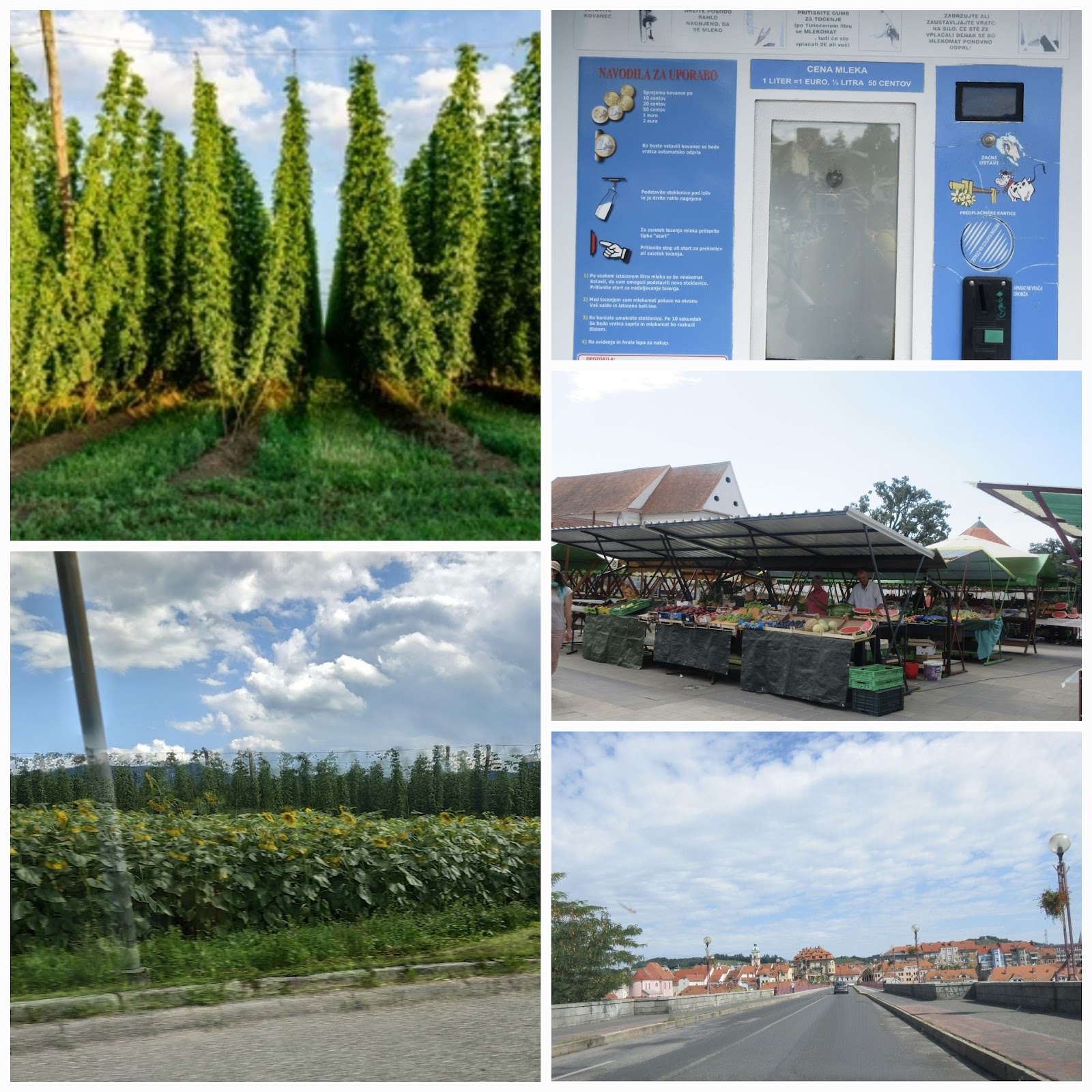
The route was lined with vineyards and acres and acres of, what seems to the untrained eye, pepper vines. But were they really? These are shady plants. The greenish conical ‘fruits’ are drooping with their weight. The foliage seems dense. As they grow they cling on to ropes! 

What are they?


Acquired taste: more to experience

We did not have difficulty finding our accommodation. A series of rooms with a hodge podge kitchen in the half basement. Our host is a school teacher. She welcomes us with shot glasses of home-made yellowish wine garnished with tiny flowers from her garden. Should we have taken the shots right away? Being teetotalers and unsure of the custom we set it aside for ‘later’. 


Since it's close to sunset we simply make ourselves comfortable, quickly prepare dinner, connect to the Internet, contact our host at the next destination, preview our itinerary for the next day and then just before we retire for the night, believing that our welcome drink would be stale enough, we take sips. Our faces immediately contort. Our tongues are not ready for what we unanimously felt was unpalatable. 


The burning question 

What were those vines we saw on our way to Marbor? Hops. So says our host proudly. They are a vital ingredient in beer making. Was it beer that she had offered us the day before. Not in shot glasses! At least, that much I know.


More to discover

As usual we have a hearty breakfast and pack our picnic lunch before driving into the city centre of Maribor.  The town is very quiet. But as we find a place to park we notice a hub of activity. It is market day. Fresh vegetables laid out on simple foldable tables in rows of covered stalls . As we get closer we notice that the stalls have only the discards. After all, it is late morning. Only one stall has some fresh undamaged beans left and so we buy some to cook at our next place of stay. The fruits are tempting but we already have a generous supply.


Drawn to a curious booth we approach for an inspection. It houses a recess with a glass door. You could place a milk bottle in it under a spigot, press the relevant button and fill up to a litre of milk after having tipped the coin slot. A basic vending machine that serves its purpose very well indeed.


The Old Town

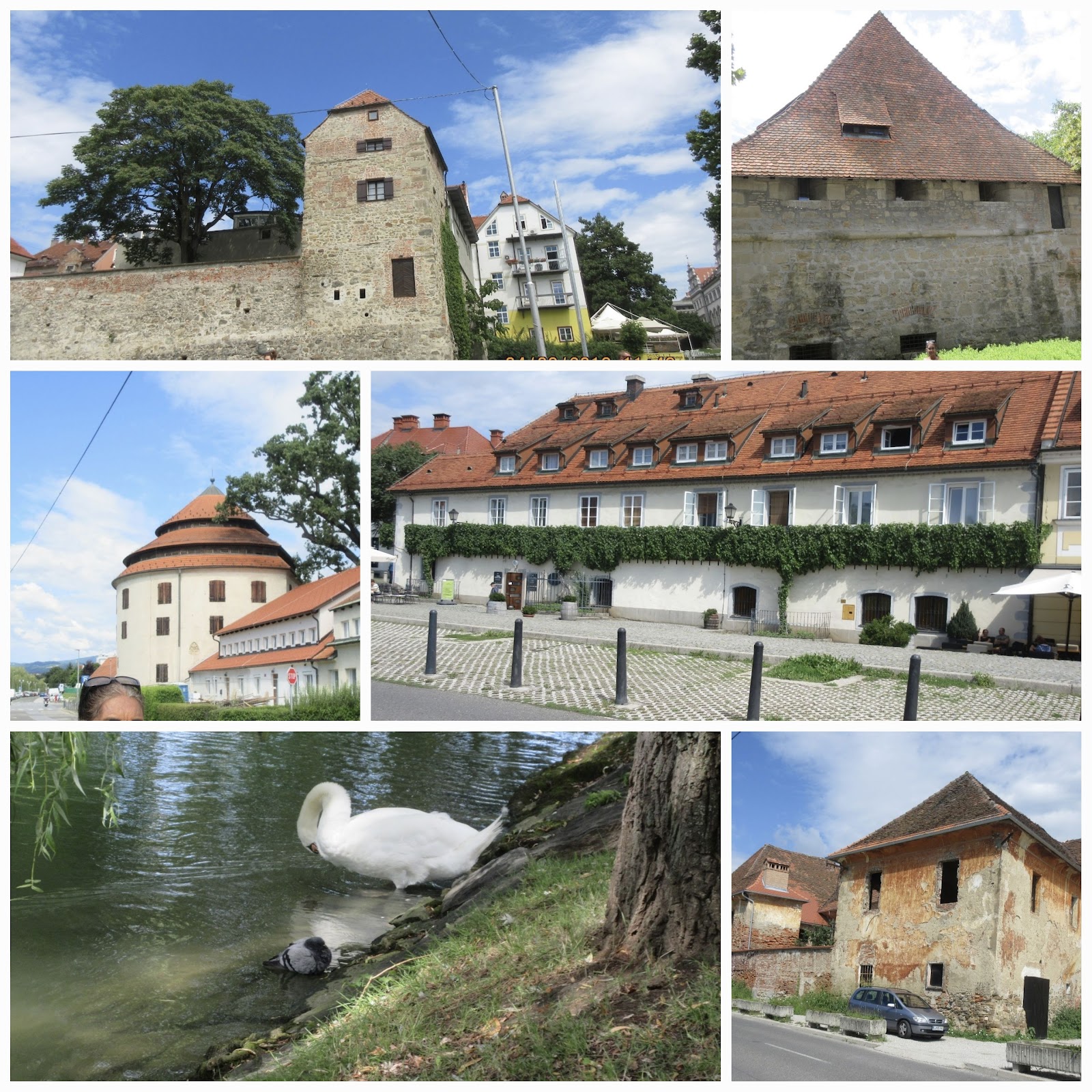
The excitement over, we begin to explore the city laid out on the banks of the Duva River, with swans gracing its banks and gliding across the waters.

The ruins of mediaeval walls and buildings are hard to miss. The plaques tell us of the squat Water Tower (that doesn't look like one), and the Judgement Tower, both built for fortification while Slovenia was still part of Austria. The Jewish tower and synagogue (second oldest in Europe) attest to the Germanisation of Austria and the consequent suffering during WWII when most of the city was destroyed. And then of course the area became part of Yugoslavia before becoming independent Slovenia (1991).


Idyllic and record breaking

The long building with a dense vine stretched over its length draws our interest. We could have easily dismissed it as a decorative creeper.  It's actually a 400 year old grape vine, the world's oldest according to the Guiness Book of World Records.. Yellow walls and red roof tiles ( same as our host's residence) and a dense dark green vine. It can’t  get more picturesque.


A greater appreciation: history and agriculture

We stroll towards the city centre to be greeted by even more ‘curious’ monuments: 

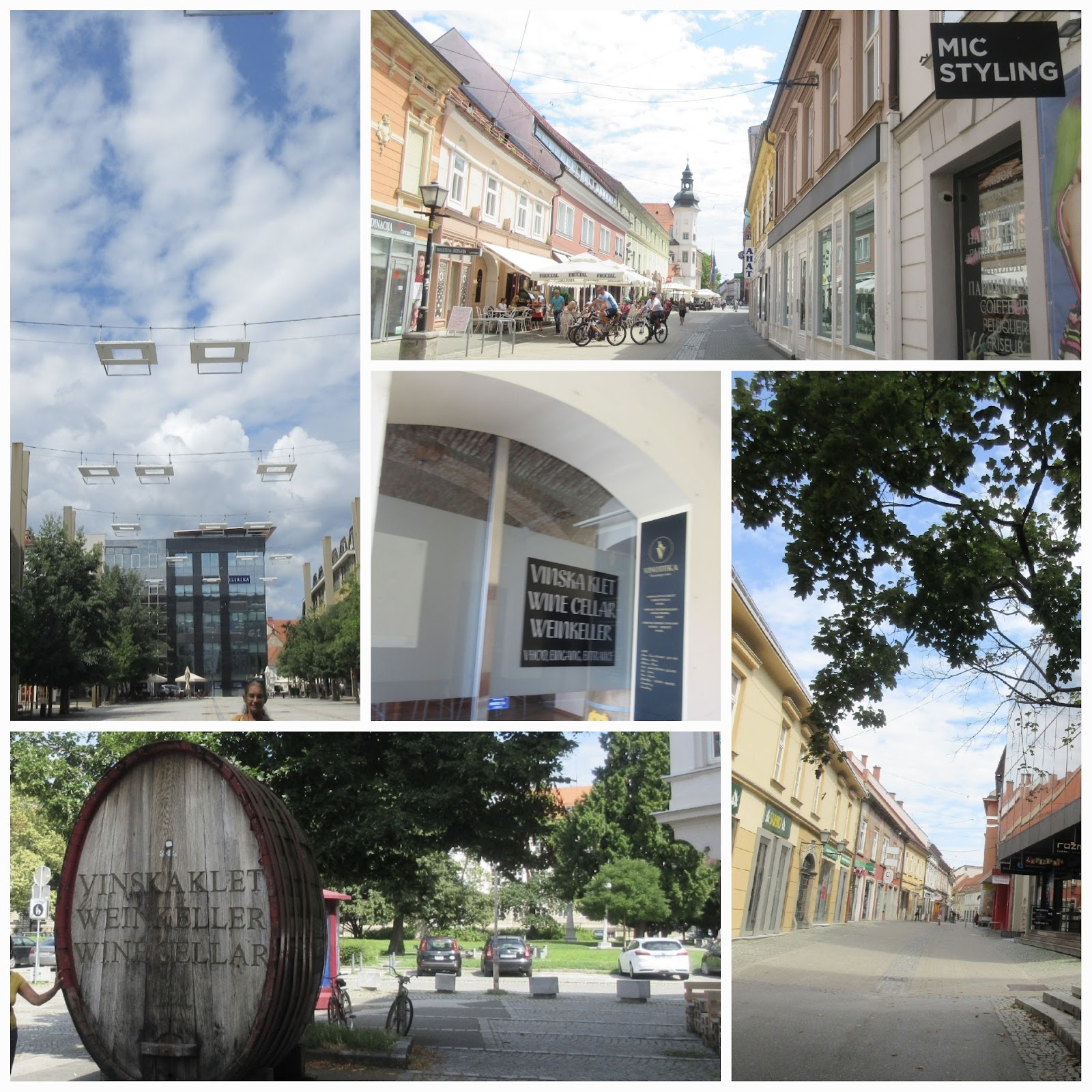
A huge wine barrel. The sign at the entrance to the building nearby tells us that this barrel is not simply whimsy. Maribor is surrounded by vineyards. The building is a wine museum with one of the oldest and  largest  wine cellars in Europe.  It has wine tasting sessions as well. It makes no difference to us that it is closed today. Now we truly understand our host's welcoming gesture. 


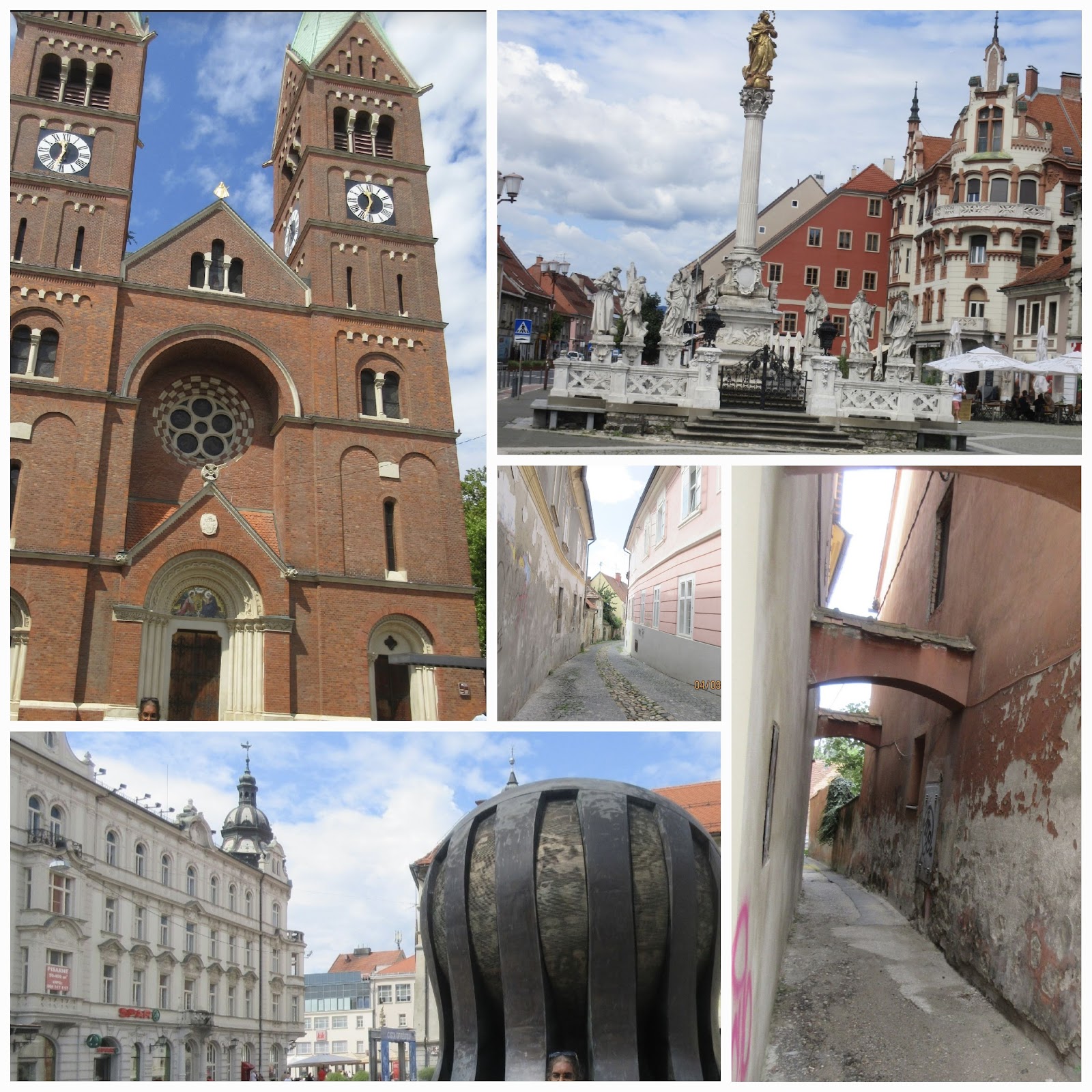
Another oddity loomed up: a huge rotund sculpture. It resembled a spherical head with neat swatches of hair neatly combed down the sides to conceal baldness! Seriously, it's a  monument to the monument to the nearly 700 hostages and rebels who were killed by German forces during the National Liberation War (WWII).


In the main square of the city is yet another monument.  This time it is an elaborate marble structure with intricate details to memorialize the nearly  one third of the population that died during the Plague.


Two modern and one  baroque style monuments. What next? Our ramble takes us to a Gothic Cathedral and a Renaissance style town hall. 


European Capital of Culture: Who would have known?

Leaving the cobble-stoned old city and its narrow alleys and courtyards we saunter into the paved modern streets in the new part of the town.  It is all so quiet it's hard to believe that Maribor is the second largest city in Slovenia as well as voted the cultural Capital of Europe in 2012.  

It goes without saying that travellers like us who enjoy discovery, who want to truly appreciate the local inhabitants, get the full deal when there are few tourists of the kind who simply follow guides, arguably for a better appreciation, afraid that they might miss something they had read about or had been touted.


Trivia:

The Duava River connects Slovenia to Italy, Austria, Croatia and Hungary.


5. Myanmar, 2001, Barrage of Sensations in a Mish-mash of a city

Continued from 4. Myanmar 2001

Ferry crossing
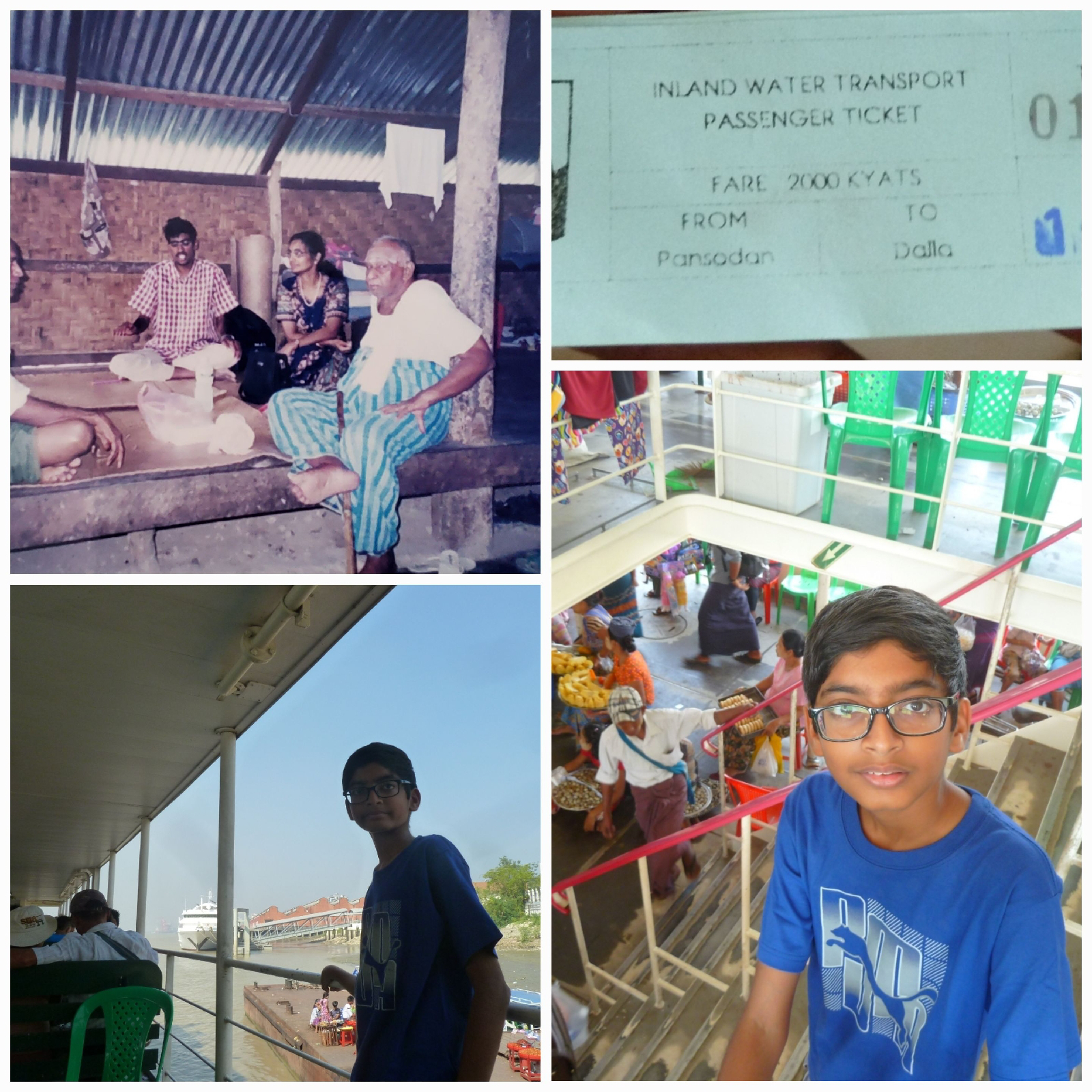
Dressed like locals we walked along the Strand and found the queue to buy ferry tickets to cross the river. The first time we wet the uncle accompanied us, spoke in Myanmese and got us local tickets. We had to play dumb so that we did not give away the fact that we were foreigners and end up paying exorbitant fares. We boarded the ferry and went to the upper deck where we found the typical low plastic stools on which to sit sheltered by our umbrellas. 
On a subsequent trip(2016) we went on our own and got foreign tickets. This time we could go into a covered enclosure on the upper deck and sit on plastic chairs. We were not bothered by vendors. The other side of the river had a vibrant market and hence a colourful village. Walking down one of the back streets we came upon many indians some of whom spoke Tamil. Many of them were retired . One was looking after the temple and was active in a Tamil society. He invited us to his home where we met his wife. They had lots to say about the Hindu temple nearby since they were actively involved in it. We took leave of them and simply walked further to take in the village atmosphere, the houses with their fruit trees, vegetable gardens and poultry. 


Hospitality of a nanogenarian
An auto ride took us to a 90 year old who live on his own in his padi field. He did not keave the country futing the purge and we were familiar with some of his relatives. Anticipating our arrival he had prepared a typical sumptuous 3 course meal for us, on a wood burning stove, served on banana leaves. He had a Burmese family living in the premises to do his bidding and to till the fields. his relatives. He had cooked a three course meal for us on his wood burning stove and served us on banana leaves. We also had a plentiful helping of his daily routine. He had a Myanmese family working for him both in the house and in his fields.
Safety
Talking about safety, as we prepared to board the ferry we noticed a couple of soldiers supervising  three young men, chained to each other, also boarding. We were later told that the chained men could have been drug pushers. The military had its eyes everywhere. 

One of our acquaintances who took us on a walk along Mogul Street (now Shwe Bontha Street) carried diamonds in his shirt pocket. He traded in diamonds. Another friend walked around town with a huge bundle of notes. There was no danger of theft then (about 10 years ago).

In another of our visits we happened to see a borrower returning money to the lender. The bundles of notes came in sacks and the counting took the best part of the afternoon.

Knees-up Transport

We also tried taking the local buses. 10 years ago the seats were very close together, worse than budget seats in Asian flights. And you literally had to brace your legs against the front seat since the leg room was too narrow to plant your feet on the ground. 

Sharing the ride with market produce and fowl and quadrupeds
The Yangon Circle Line, the train, literally crawls 30 miles around the city and its suburbs and taking about 3 hours, passing through what feels like a whole echelon of Yangon society. Again foreigners pay more. Beside us sat people from all kinds of trades carrying their wares in baskets to be balanced on their heads. Some were bringing livestock to the market. We had chicken under our feet and even a goat. The odor of food from the snack vendor mingled with the odor of scented prayer flowers and the smell of animals. We didn't do the whole 30 mile loop. About half an hour was good enough to take us through the various neighbourhoods. Our sophisticated noses could tolerate so much.
Street life
The city is a  heaving jumble of dilapidated colonial buildings, hole in the wall shops, street markets,  noisy and congested alleys and streets, mosques, pagodas and roadside food stalls with their low tables and stools. 

To be continued in 6. Myanmar.


1. Myanmar 2001, In the footsteps of forefathers

Testing the waters, 2001

Drink's uncle lives in Yangon, Myanmar. He got left behind when members of his community escaped to India as the military Regime took over the country(history: https://en.m.wikipedia.org/wiki/Burmese_Indians ). He survived innumerable ordeals. As soon as the regime allowed its citizens foreign travel, the uncle , his wife and a daughter visited India to vist his family in India after nearly 20 years. On the way back to Myanmar they visited us in Singapore staying with us for about a week before flying back home. He had so many stories to tell. Now that we knew he was in a comfortable position to receive relatives from overseas we decided to visit him.

Tiresome process but teachers have their perks

The process began with applications for visas at the Myanmar embassy in Singapore. Filling out several forms you had to wait in line for the submission only to be greeted by gruff officers who seemed very unwilling to acknowledge us. We had to come back a few days later at an allocated time to, hopefully, be approved for a visa. If you were a teacher you got more respect, as is the norm in Asian countries.

So we flew to Yangon. At the airport we had to convert a mandatory minimum of US$100 per person into Kyat at ridiculously low rates.. The uncle and his son in law met us at the entrance. As soon as we got to their home , one of the women, his wive's cousin, who was a clerk at the University and knew a few words in English, asked for our passports. She was then gone for a few hours. When she came back the uncle explained that all visitors had to be registered with the village Chief. He had given the uncle's residence an approval slip, that was to be hung prominently in one of the outer walls, that declared the three of us as legal visitors. We were also told that plain clothes men were frequently seen in our avenue keeping an eye on the newcomers to prevent trouble as in leaking local news to the outside world.

Third world amenities but huge hearts
The amenities in the house were very rudimentary. It reminded us of Chennai about 50 years ago. But the affection and care for guests is incomparable. Their family was huge -- two married daughters, 4 grandchildren, one unmarried daughter, a not too well to do distant relation who helped with the housework, visiting aunts and cousins, etc. 

Round table Dining with a large dose of affection
Sitting cross-legged on a mat around a foot high round table laden with several dishes was very comfortable. Our hosts insisted on physically serving us and the aunt even picked out the bones from the fish they served Drink. She even fanned him with a hand held fan.On subsequent visits, having become very familiar, we were allowed to help ourselves. But we were never allowed to wash our plates . At a table there was always a pot of chrysanthemum tea with a few tiny handleless cups around it. We drank only bottled water. In the mornings there were steamed cakes , redolent of Indian, Malaysian and Thai cuisine, all purchased at the market. Since they were bought freshly steamed we were not squeamish about eating them.

The Kitchen
At times I was allowed to help in the kitchen and even cooked a meal or two, but ( being a guest from an affluent country)only on the gas stove. There was another low foot-high battered round table in the kitchen surrounded by a couple of stools. We had to wear slippers in this area and the portion in the opposite corner, with an L- shaped bund on the two sides opposite the walls helped  contain the water likely to run off from washing the dishes that were piled up under the tap. 

Two different menus for each dinner and lunch
The uncle preferred Indian meals while the rest, who did not speak a word of English or Tamil (our mother tongue), preferred Burmese. So the uncle had his meals cooked under his direction at dawn. The charcoal stoves were started in the morning, to cook lunch and pack it up for the school going and office going,and at least one kept going all day. 
Most obvious were the huge drums of rice that looked like tiny beads( but became long grains when cooked), the huge containers of peanut oil which was used liberally and a large supply of crushed dried red chillies. It is not unusual to scoop a ladleful of rice onto a plate, pour a generous amount of peanut oil on to it and add a huge dash of crushed chillies. Voila, you have something to boost your energy when you feel sapped.
We were quite surprised that they cooked more chicken and prawns rather than fish while the river just a few minutes away was teeming with fish. Vegetables, plentiful and fresh, were always the highlight of our meals.

Laundry luxury 
The laundry was done at the small yard at the entrance to the house. The yard in front had house plants and a huge cistern that saved water from a tap that flowed into it. The washing was done in typical southeast Asian form. Clothes were soaked in soapy water, and then put in a basin one by one to be squished, patted and scrubbed and rubbed over a washboard before being squeezed and wrung out. The girls insisted on washing the men's clothes, hang them out to dry and iron them in the afternoon. The laundry, newly pressed, would be waiting for us every evening. We were pampered.

*A brush with laundry will be dealt with in another post


Hospitality includes Clothing
As soon as staying guests arrive it is customary for the host to provide longyis for the guests to wear during their stay. It was also suggested that we wear the longyi everyday so as to blend in with the locals. The women's longyies had a waist piece sewn all around the top, made of material that offered some friction so that when tied to the waist it wouldn't slip. The men wore their longyies, like a bow tied to the front and the rolled over. 

Survival tales

The uncle had so many stories to tell about his struggles during the exodus of Indians. There was not a dull moment, listening about the menial jobs that barely fed him, to larger attempts at running a food stall, to courting his wife to be. 

In the footsteps of ancestors
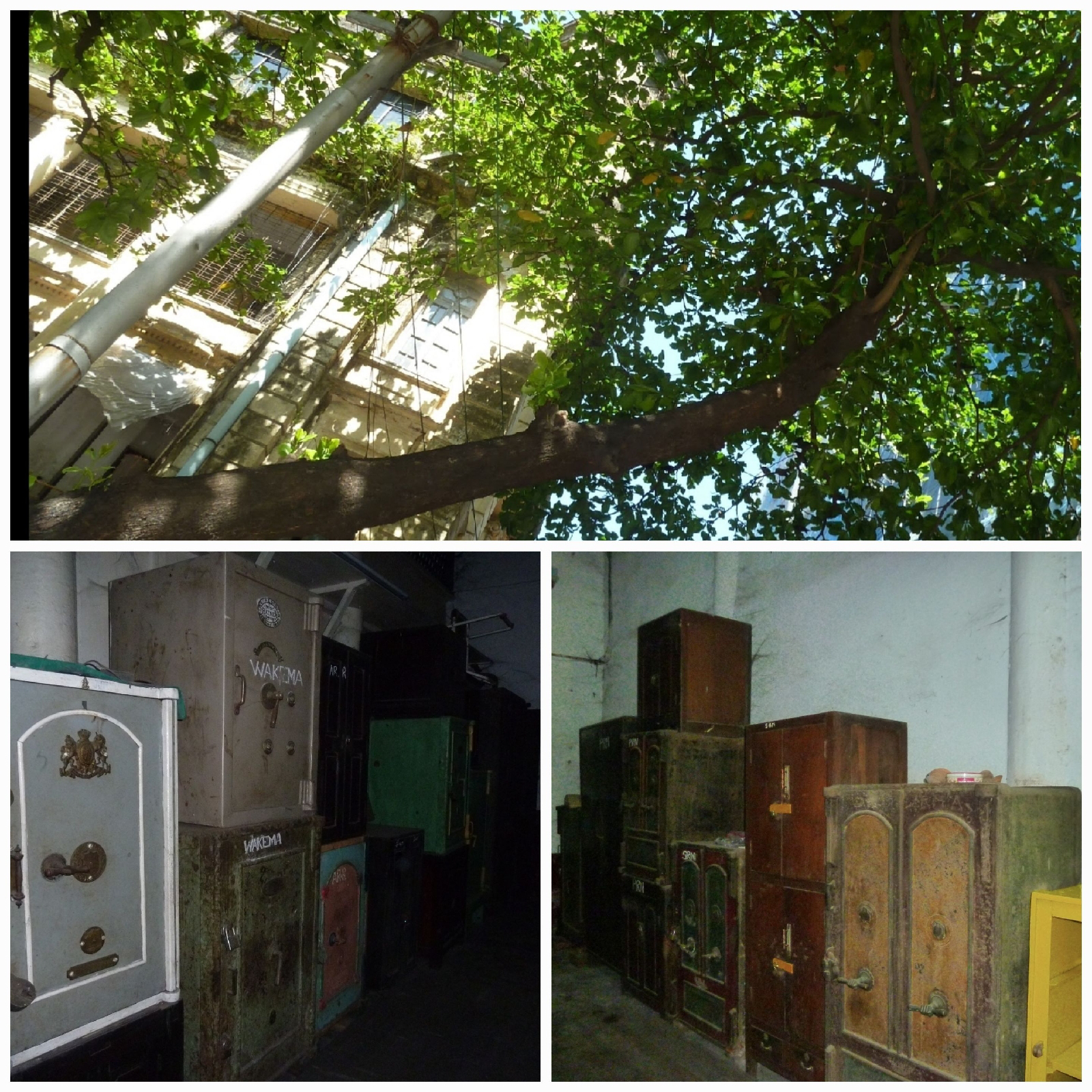
A generation ago some of our extended family members plied their trade in Yangon( then called Rangoon, Burma). They conducted their business in buildings built for the purpose. The first floor was where the business was conducted. The second floor housed a wooden shrine for daily worship and, the third was the sleeping quarters with futons. The location was selected in such a way that it was within walking distance from the post office and the river for obvious geographical reasons. Visiting Moghul Street ( now called Shwe Bontha)where these tall high ceilinged three storied buildings still stand gave us a unique appreciation of the sense of discipline and adaptability of our ancestors for the buildings still contain many of the steel safes and temple records left behind. 
The ground floors of this prime property have now been converted into back-to-back hole-in-the-wall shops. 

The travel itch returns

The meals well taken care of, and the vicinity becoming very familiar, with walks to the out door market, the sheltered market for non-perishable goods that also housed tailors, and especially along the river, the boats unloading tons of coconuts and plantains on the banks of a distributary of the Irrawaddy, we set our sights on Mandalay. 

To be continued in 2.Myanmar 2001


The Tricity of Poland: Gdansk, Sopot and Gdynia (1)

Respect for order The parking area where our driver (refer to an earlier blog about Conflict and Cohesion) drops us off reflects Gdańsk'...

Follow by Email